
The 4 Stages of the Asset Life Cycle (And How Inspections Help With Each Step!)
Today, let’s review exactly what the asset life cycle is, and how property inspections can drive long-term success.

Today, let’s review exactly what the asset life cycle is, and how property inspections can drive long-term success.

Urban downtowns have been seen as the center of city life. Recently, however, this system has been going through some growing pains.

To get ready for RTO mandates, here are a few maintenance tasks and upgrades to implement today.

While sometimes regarded as risky, distressed properties can also be a very lucrative and fulfilling investment option. Let’s discuss from a bird’s eye view how you can feel more comfortable buying and flipping properties that might need extra TLC.

Walgreens made news this year when it announced its plans to close 1,200 locations over the next three years (per CNN), an exclamation point on the ongoing struggles of the retail drugstore industry…This begs the question: is the modern drugstore still relevant?
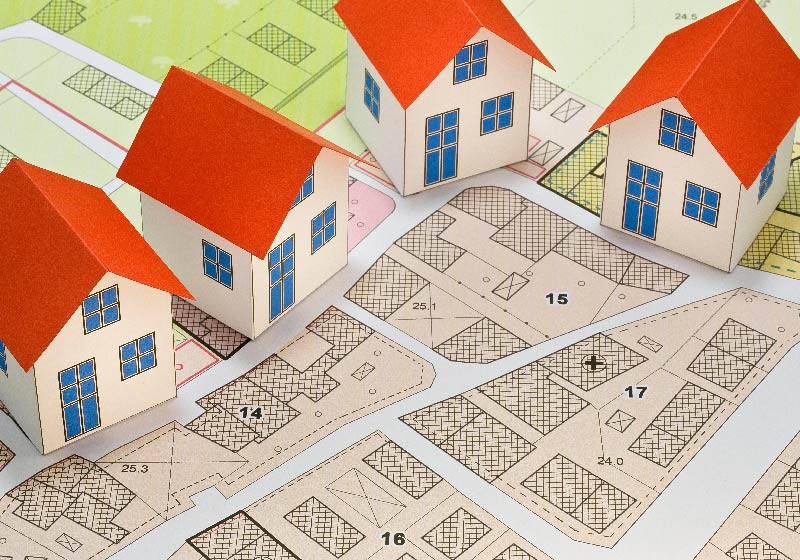
Access to affordable housing has been an ongoing issue all across North America, and communities everywhere have been searching for their own solutions. In New York City, an attempt to address this problem has led to widespread debate and plenty of tension. That attempt? New zoning laws. To be a bit more specific, New York City has a regulation known as the Floor-Area-Ratio cap (or “FAR” cap) which restricts the maximum height of new residential construction within certain areas of the city, like the historic Hell’s Kitchen. We’ve previously discussed how developers have started to convert empty office buildings into apartments in order to add housing opportunities but NYC’s FAR cap might be limiting creative solutions like this. Spectators to this discussion may find themselves wondering if these zoning laws are such a hindrance, why were they put in place originally? And if some zoning laws are only a thorn in the sides of developers, investors, and the average renter, how have they lasted this long? Let’s discuss! What are Zoning Laws?Broadening the discussion for just a second, let’s dive into a few definitions and some background information on zoning laws. To simplify, zoning laws are the rules and restrictions

On June 6, 2024, White House National Climate Advisor Ali Zaidi announced the new definition for “zero-energy buildings” at the American Institute of Architects conference. Although this announcement doesn’t carry new regulations for commercial or residential construction, it does outline a target for new buildings and may reveal which features we can expect to become the new standards in the cities of the future. To get a sneak peek on the impact of this announcement, let’s take a look at what zero-energy buildings are, and how they differ from what we see today. What is a Zero-Energy Building?Zero-energy buildings are, to put it simply, buildings that produce more or an equal amount of energy than they consume throughout the course of the year. According to the Department of Energy, residential and commercial buildings account for 74% of electricity usage in the U.S. With a generation increasingly concerned about their impact on the environment, organizations are committed to fast-tracking solutions for lowering usage and its impact. In the past, the road to true zero-energy was regarded as difficult and expensive, but the Department of Energy (DOE) and the Environmental Protection Agency (EPA) believe that it will become more practical due to

It’s been a long road, but after fires devastated the Notre Dame Cathedral back in 2019, the historic landmark is finally preparing to reopen its doors later this year. Restoring and renovating historic buildings can be costly and time-consuming, but the cultural, educational, and economic benefits down the road often make the effort worthwhile. A building doesn’t need to be internationally recognized like the Notre Dame Cathedral to justify the investment of a restoration, though! Every city has its own share of locations that carry historical significance. But preserving history isn’t the only reason property owners find these projects worthwhile. According to the Environmental Protection Agency (EPA), building preservation can also improve sustainability on top of the community revitalization and economic benefits. For any property owners interested in restoring or updating a historic property, here are a few things to consider! Modernize with CareA common misconception during restoration is that modern amenities are out of the question, but this isn’t the case. Building system standards are improved upon every year for safety and efficiency, and restorations are the perfect opportunity to bring historic properties up to speed. The challenge comes with updating without compromising the building’s integrity. Depending on the

Adaptive reuse is on the rise in commercial real estate as somewhat radical shifts continue to reverberate throughout various CRE subsectors. With the mercurial nature of office and retail space utilization, finding creative ways to repurpose properties without starting from scratch is certainly in the air. This is where “adaptive reuse” comes into play. Do you own a warehouse that’s become an underused capital sink? Restore and renovate the property so that you can reopen it as trendy luxury apartments! Defunct businesses like switchboard operator buildings sitting empty? Rather than tearing it down, reopen it as a unique coffee shop or restaurant. Adaptive reuse is all about creativity and innovation while preserving the interesting historic buildings that can bring a neighborhood or a city its unique character. There are many ways for CRE investors to utilize an adaptive reuse mindset in today’s volatile market, and the benefits of this strategy just might have a considerable impact on their ROI. Common Applications for Adaptive Reuse TodayThe first form of adaptive reuse that we’re seeing pop up over and over recently is the multi-family conversion. Office buildings have continued to struggle filling up post-pandemic, and features like high ceilings, which are somewhat

It’s official. For the third year in a row, the fastest growing sport in the United States is pickleball (according to enthusiasts of the sport at Pickleheads). Odds are good that you’ve already heard of the trend, had a friend fall victim to its not-quite tennis, not-quite ping pong charm, or maybe you’ve been bitten by the pickleball bug yourself. Despite plenty of skepticism, this fad has refused to die down, and commercial real estate investors are starting to take notice. But why pickleball, and what sort of impact can this casual recreational activity have on the CRE landscape? Today, let’s take a swing at de-mystifying the surprising impact of pickleball. What is Pickleball, Anyway?For those who are more than an arm’s length away from the game, pickleball may just seem like a game with a funny name that’s too similar to a number of other more well-established sports. Are there really enough things that make pickleball unique enough to have a draw all on its own? Well, based on its sustained growth, signs seem to indicate that it does. Pickleball is a sport that can be played competitively with two individuals facing off, or in the form of doubles,
Today, let’s review exactly what the asset life cycle is, and how property inspections can drive long-term success.
Urban downtowns have been seen as the center of city life. Recently, however, this system has been going through some growing pains.
To get ready for RTO mandates, here are a few maintenance tasks and upgrades to implement today.
While sometimes regarded as risky, distressed properties can also be a very lucrative and fulfilling investment option. Let’s discuss from a bird’s eye view how you can feel more comfortable buying and flipping properties that might need extra TLC.
Walgreens made news this year when it announced its plans to close 1,200 locations over the next three years (per CNN), an exclamation point on the ongoing struggles of the retail drugstore industry…This begs the question: is the modern drugstore still relevant?
Access to affordable housing has been an ongoing issue all across North America, and communities everywhere have been searching for their own solutions. In New York City, an attempt to address this problem has led to widespread debate and plenty of tension. That attempt? New zoning laws. To be a bit more specific, New York City has a regulation known as the Floor-Area-Ratio cap (or “FAR” cap) which restricts the maximum height of new residential construction within certain areas of the city, like the historic Hell’s Kitchen. We’ve previously discussed how developers have started to convert empty office buildings into apartments in order to add housing opportunities but NYC’s FAR cap might be limiting creative solutions like this. Spectators to this discussion may find themselves wondering if these zoning laws are such a hindrance, why were they put in place originally? And if some zoning laws are only a thorn in the sides of developers, investors, and the average renter, how have they lasted this long? Let’s discuss! What are Zoning Laws?Broadening the discussion for just a second, let’s dive into a few definitions and some background information on zoning laws. To simplify, zoning laws are the rules and restrictions
On June 6, 2024, White House National Climate Advisor Ali Zaidi announced the new definition for “zero-energy buildings” at the American Institute of Architects conference. Although this announcement doesn’t carry new regulations for commercial or residential construction, it does outline a target for new buildings and may reveal which features we can expect to become the new standards in the cities of the future. To get a sneak peek on the impact of this announcement, let’s take a look at what zero-energy buildings are, and how they differ from what we see today. What is a Zero-Energy Building?Zero-energy buildings are, to put it simply, buildings that produce more or an equal amount of energy than they consume throughout the course of the year. According to the Department of Energy, residential and commercial buildings account for 74% of electricity usage in the U.S. With a generation increasingly concerned about their impact on the environment, organizations are committed to fast-tracking solutions for lowering usage and its impact. In the past, the road to true zero-energy was regarded as difficult and expensive, but the Department of Energy (DOE) and the Environmental Protection Agency (EPA) believe that it will become more practical due to
It’s been a long road, but after fires devastated the Notre Dame Cathedral back in 2019, the historic landmark is finally preparing to reopen its doors later this year. Restoring and renovating historic buildings can be costly and time-consuming, but the cultural, educational, and economic benefits down the road often make the effort worthwhile. A building doesn’t need to be internationally recognized like the Notre Dame Cathedral to justify the investment of a restoration, though! Every city has its own share of locations that carry historical significance. But preserving history isn’t the only reason property owners find these projects worthwhile. According to the Environmental Protection Agency (EPA), building preservation can also improve sustainability on top of the community revitalization and economic benefits. For any property owners interested in restoring or updating a historic property, here are a few things to consider! Modernize with CareA common misconception during restoration is that modern amenities are out of the question, but this isn’t the case. Building system standards are improved upon every year for safety and efficiency, and restorations are the perfect opportunity to bring historic properties up to speed. The challenge comes with updating without compromising the building’s integrity. Depending on the
Adaptive reuse is on the rise in commercial real estate as somewhat radical shifts continue to reverberate throughout various CRE subsectors. With the mercurial nature of office and retail space utilization, finding creative ways to repurpose properties without starting from scratch is certainly in the air. This is where “adaptive reuse” comes into play. Do you own a warehouse that’s become an underused capital sink? Restore and renovate the property so that you can reopen it as trendy luxury apartments! Defunct businesses like switchboard operator buildings sitting empty? Rather than tearing it down, reopen it as a unique coffee shop or restaurant. Adaptive reuse is all about creativity and innovation while preserving the interesting historic buildings that can bring a neighborhood or a city its unique character. There are many ways for CRE investors to utilize an adaptive reuse mindset in today’s volatile market, and the benefits of this strategy just might have a considerable impact on their ROI. Common Applications for Adaptive Reuse TodayThe first form of adaptive reuse that we’re seeing pop up over and over recently is the multi-family conversion. Office buildings have continued to struggle filling up post-pandemic, and features like high ceilings, which are somewhat
It’s official. For the third year in a row, the fastest growing sport in the United States is pickleball (according to enthusiasts of the sport at Pickleheads). Odds are good that you’ve already heard of the trend, had a friend fall victim to its not-quite tennis, not-quite ping pong charm, or maybe you’ve been bitten by the pickleball bug yourself. Despite plenty of skepticism, this fad has refused to die down, and commercial real estate investors are starting to take notice. But why pickleball, and what sort of impact can this casual recreational activity have on the CRE landscape? Today, let’s take a swing at de-mystifying the surprising impact of pickleball. What is Pickleball, Anyway?For those who are more than an arm’s length away from the game, pickleball may just seem like a game with a funny name that’s too similar to a number of other more well-established sports. Are there really enough things that make pickleball unique enough to have a draw all on its own? Well, based on its sustained growth, signs seem to indicate that it does. Pickleball is a sport that can be played competitively with two individuals facing off, or in the form of doubles,