
Weather, Delays, and Draw Inspections: How Commercial Projects Stay On Track
A project’s ability to adapt is what ultimately determines consistent success, whether navigating weather delays or budget changes.

A project’s ability to adapt is what ultimately determines consistent success, whether navigating weather delays or budget changes.
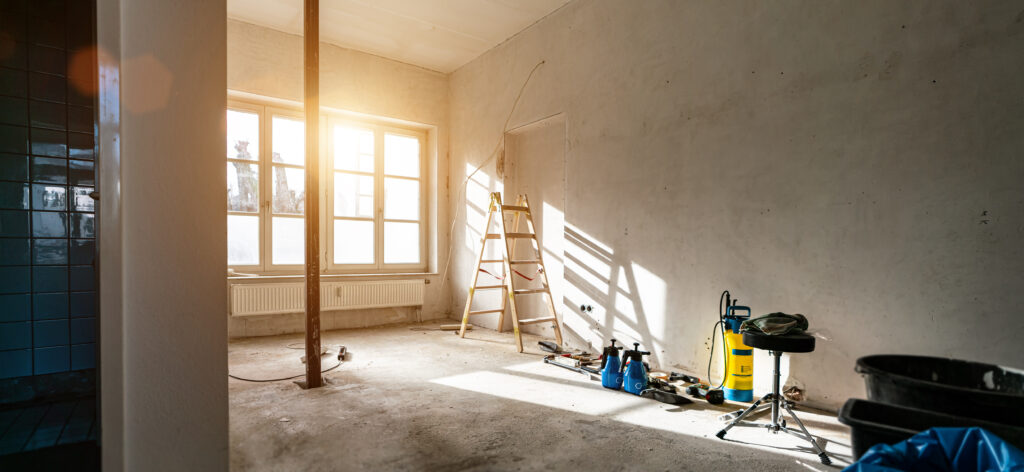
Today, let’s review exactly what the asset life cycle is, and how property inspections can drive long-term success.

Thermal imaging is being used more in commercial inspections, so let’s discuss how to use it to your benefit!

To get ready for RTO mandates, here are a few maintenance tasks and upgrades to implement today.
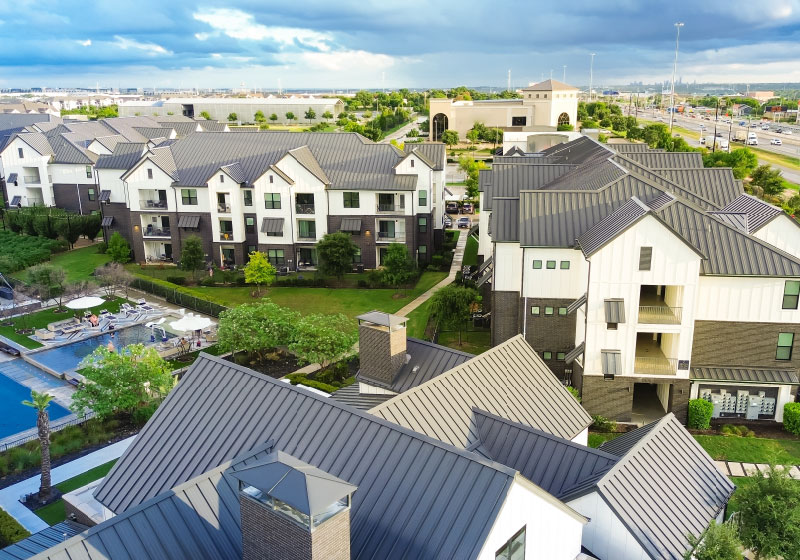
Answering the call for housing everywhere, 2024 was truly the year of multi-family properties, as over 500,000 new units were completed by the end of December. While 2025 may see a slight step back in completions, 2 million new apartments are arriving on the market by 2028.
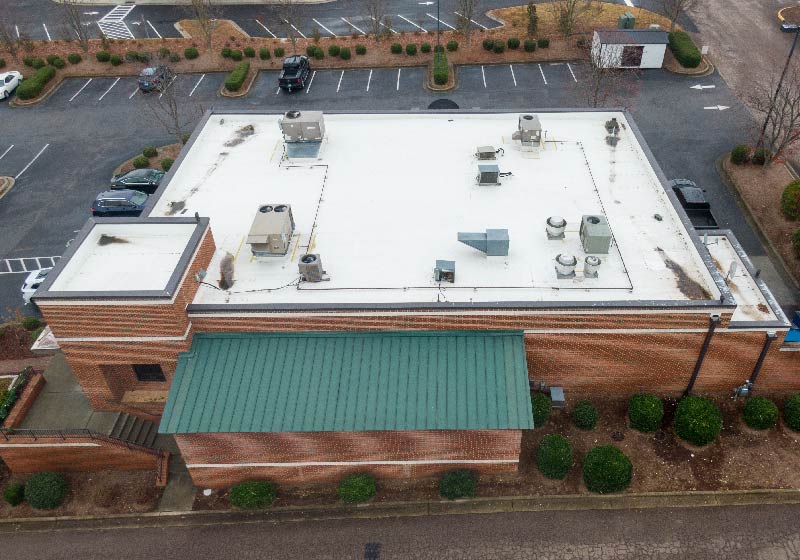
There are a few features common to commercial buildings that are a rarity in the residential sector – features that have their own benefits and their own drawbacks. Today, let’s discuss one of those features that are nearly ubiquitous on commercial properties. That feature? Flat roofs.

For every house, condominium, industrial complex, hotel, and convenience store, the number one source of concern is the same: water intrusion. Water has a terrible knack for worming its way indoors, finding or causing even the most miniscule cracks that grow and compromise a building’s integrity. Though it may sound surprising, architects and engineers have spent countless hours over the years designing ways to keep water where it belongs and protect occupants from health hazards like mold. Of all the features of water management that buildings have, none face the same relentless assault as exterior siding. EIFS synthetic stucco is one type of siding that has become increasingly common for commercial properties, but property owners who have investigated this exterior wall system may have encountered some alarming stories. So, what’s the deal? Should property owners with EIFS exterior walls be worried? Should investors looking to expand their portfolios steer clear of properties with EIFS? Let’s discuss! What is EIFS Stucco?EIFS stands for Exterior Insulation and Finish System and refers to a type of exterior siding that gained prominence throughout North America after World War II. Similar to traditional stucco, EIFS is composed of multiple layers and offers similar aesthetic and
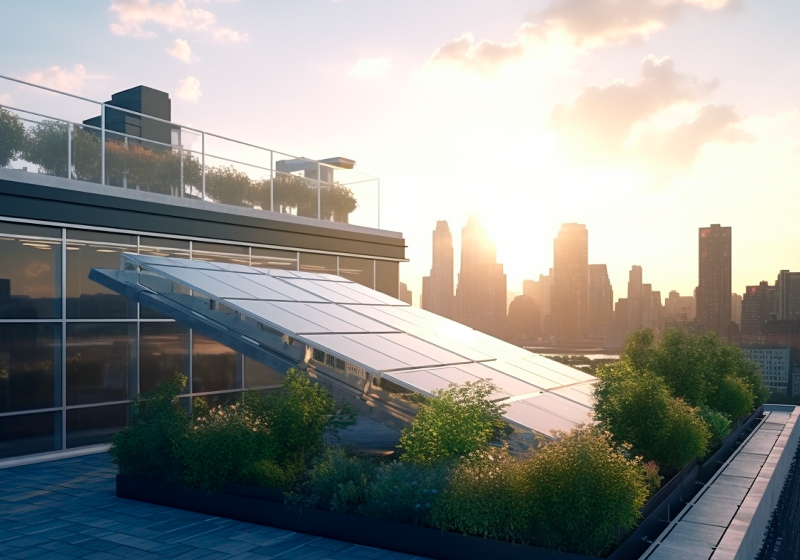
On June 6, 2024, White House National Climate Advisor Ali Zaidi announced the new definition for “zero-energy buildings” at the American Institute of Architects conference. Although this announcement doesn’t carry new regulations for commercial or residential construction, it does outline a target for new buildings and may reveal which features we can expect to become the new standards in the cities of the future. To get a sneak peek on the impact of this announcement, let’s take a look at what zero-energy buildings are, and how they differ from what we see today. What is a Zero-Energy Building?Zero-energy buildings are, to put it simply, buildings that produce more or an equal amount of energy than they consume throughout the course of the year. According to the Department of Energy, residential and commercial buildings account for 74% of electricity usage in the U.S. With a generation increasingly concerned about their impact on the environment, organizations are committed to fast-tracking solutions for lowering usage and its impact. In the past, the road to true zero-energy was regarded as difficult and expensive, but the Department of Energy (DOE) and the Environmental Protection Agency (EPA) believe that it will become more practical due to
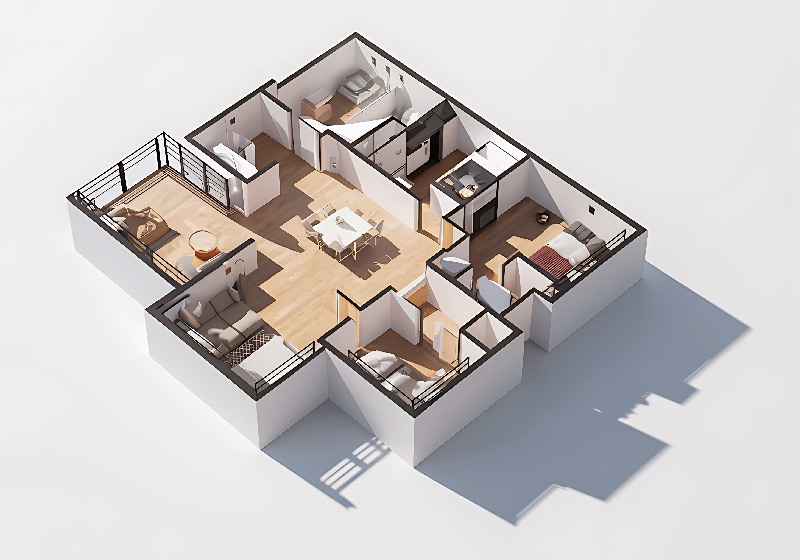
As Bob Dylan once said: the times, they are a-changin.’ For office spaces, this means contending with the demands of remote workers. For warehousing, this means balancing the demands of a growing e-commerce industry with a normalizing retail sector. Factors that ripple out and affect many different facets of life certainly have their own touch on commercial real estate, but in an industry that’s frequently criticized as slow to adapt to the newest technologies, maybe the times are bringing more changes to CRE in 2024 than ever before. Proptech is a catch-all term referring to the cross section of new technologies with residential and commercial real estate. While some tech integrations with the every-day of property management and the buying/selling process have streamlined the commercial real estate industry already, some are looking at the residential proptech seen in smart homes and speculating at the eye-popping changes sure to come soon. Today, let’s review a few of those types of proptech that are creating waves in CRE in 2024! Virtual Tours and 3D Floor PlansIn general, proptech that’s been gaining popularity in CRE are the types that cut down drastically on wasted time, and a few techniques that are great at

From time to time a trend pops up in commercial real estate that’s interesting or strange enough to get a conversation going. Throughout the pandemic, when businesses were struggling everywhere, the trend that captured the imagination of entrepreneurs in the midst of a chaotic restaurant industry was “ghost kitchens” (we wrote about it, too!). While restaurants, retail stores, and other businesses tried to adapt to new expectations from their customers, the freedom and flexibility from ghost kitchens made some believe that they would make up 20% of the restaurant industry by 2025 (per CNN). After such lofty predictions, it may be a shock to see businesses like Kitchen United, Butler Hospitality, and CloudKitchens pulling back in a big way after their own considerable investments in the ghost kitchen concept. So, what happened? And what can we learn from this trend’s near meteoric rise and sudden fall? What are Ghost Kitchens?To recap, ghost kitchens (also known as cloud kitchens, virtual kitchens, and dark kitchens) are businesses that offer a delivery-only menu, with no available dine-in options for their customers and no unique signage on their location for identification. Because of this (although these businesses existed before the pandemic), ghost kitchens rose
A project’s ability to adapt is what ultimately determines consistent success, whether navigating weather delays or budget changes.
Today, let’s review exactly what the asset life cycle is, and how property inspections can drive long-term success.
Thermal imaging is being used more in commercial inspections, so let’s discuss how to use it to your benefit!
To get ready for RTO mandates, here are a few maintenance tasks and upgrades to implement today.
Answering the call for housing everywhere, 2024 was truly the year of multi-family properties, as over 500,000 new units were completed by the end of December. While 2025 may see a slight step back in completions, 2 million new apartments are arriving on the market by 2028.
There are a few features common to commercial buildings that are a rarity in the residential sector – features that have their own benefits and their own drawbacks. Today, let’s discuss one of those features that are nearly ubiquitous on commercial properties. That feature? Flat roofs.
For every house, condominium, industrial complex, hotel, and convenience store, the number one source of concern is the same: water intrusion. Water has a terrible knack for worming its way indoors, finding or causing even the most miniscule cracks that grow and compromise a building’s integrity. Though it may sound surprising, architects and engineers have spent countless hours over the years designing ways to keep water where it belongs and protect occupants from health hazards like mold. Of all the features of water management that buildings have, none face the same relentless assault as exterior siding. EIFS synthetic stucco is one type of siding that has become increasingly common for commercial properties, but property owners who have investigated this exterior wall system may have encountered some alarming stories. So, what’s the deal? Should property owners with EIFS exterior walls be worried? Should investors looking to expand their portfolios steer clear of properties with EIFS? Let’s discuss! What is EIFS Stucco?EIFS stands for Exterior Insulation and Finish System and refers to a type of exterior siding that gained prominence throughout North America after World War II. Similar to traditional stucco, EIFS is composed of multiple layers and offers similar aesthetic and
On June 6, 2024, White House National Climate Advisor Ali Zaidi announced the new definition for “zero-energy buildings” at the American Institute of Architects conference. Although this announcement doesn’t carry new regulations for commercial or residential construction, it does outline a target for new buildings and may reveal which features we can expect to become the new standards in the cities of the future. To get a sneak peek on the impact of this announcement, let’s take a look at what zero-energy buildings are, and how they differ from what we see today. What is a Zero-Energy Building?Zero-energy buildings are, to put it simply, buildings that produce more or an equal amount of energy than they consume throughout the course of the year. According to the Department of Energy, residential and commercial buildings account for 74% of electricity usage in the U.S. With a generation increasingly concerned about their impact on the environment, organizations are committed to fast-tracking solutions for lowering usage and its impact. In the past, the road to true zero-energy was regarded as difficult and expensive, but the Department of Energy (DOE) and the Environmental Protection Agency (EPA) believe that it will become more practical due to
As Bob Dylan once said: the times, they are a-changin.’ For office spaces, this means contending with the demands of remote workers. For warehousing, this means balancing the demands of a growing e-commerce industry with a normalizing retail sector. Factors that ripple out and affect many different facets of life certainly have their own touch on commercial real estate, but in an industry that’s frequently criticized as slow to adapt to the newest technologies, maybe the times are bringing more changes to CRE in 2024 than ever before. Proptech is a catch-all term referring to the cross section of new technologies with residential and commercial real estate. While some tech integrations with the every-day of property management and the buying/selling process have streamlined the commercial real estate industry already, some are looking at the residential proptech seen in smart homes and speculating at the eye-popping changes sure to come soon. Today, let’s review a few of those types of proptech that are creating waves in CRE in 2024! Virtual Tours and 3D Floor PlansIn general, proptech that’s been gaining popularity in CRE are the types that cut down drastically on wasted time, and a few techniques that are great at
From time to time a trend pops up in commercial real estate that’s interesting or strange enough to get a conversation going. Throughout the pandemic, when businesses were struggling everywhere, the trend that captured the imagination of entrepreneurs in the midst of a chaotic restaurant industry was “ghost kitchens” (we wrote about it, too!). While restaurants, retail stores, and other businesses tried to adapt to new expectations from their customers, the freedom and flexibility from ghost kitchens made some believe that they would make up 20% of the restaurant industry by 2025 (per CNN). After such lofty predictions, it may be a shock to see businesses like Kitchen United, Butler Hospitality, and CloudKitchens pulling back in a big way after their own considerable investments in the ghost kitchen concept. So, what happened? And what can we learn from this trend’s near meteoric rise and sudden fall? What are Ghost Kitchens?To recap, ghost kitchens (also known as cloud kitchens, virtual kitchens, and dark kitchens) are businesses that offer a delivery-only menu, with no available dine-in options for their customers and no unique signage on their location for identification. Because of this (although these businesses existed before the pandemic), ghost kitchens rose