
Weather, Delays, and Draw Inspections: How Commercial Projects Stay On Track
A project’s ability to adapt is what ultimately determines consistent success, whether navigating weather delays or budget changes.

A project’s ability to adapt is what ultimately determines consistent success, whether navigating weather delays or budget changes.

Urban downtowns have been seen as the center of city life. Recently, however, this system has been going through some growing pains.
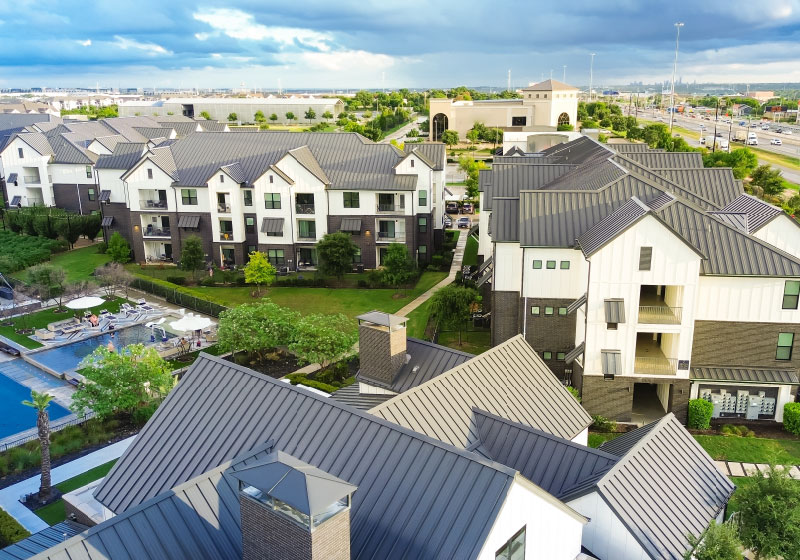
Answering the call for housing everywhere, 2024 was truly the year of multi-family properties, as over 500,000 new units were completed by the end of December. While 2025 may see a slight step back in completions, 2 million new apartments are arriving on the market by 2028.

Walgreens made news this year when it announced its plans to close 1,200 locations over the next three years (per CNN), an exclamation point on the ongoing struggles of the retail drugstore industry…This begs the question: is the modern drugstore still relevant?
You may not have noticed, but this is actually an election year. That’s right! Currently, the two major parties are jockeying for political seats all across the United States at the local, state, and federal levels. All jokes aside, especially in our polarized political climate, it can often feel like the presence of an election year touches every industry and every aspect of our daily lives. For those who work in the real estate industry or anything tangential to commercial real estate, you’re certainly aware of the ominous reputation associated with election years. According to prevailing belief, election years wreak havoc on investments–projects can stall as uncertainty muddies the waters until the market finally comes up for air post-election. Though this is the prominent impression, do election years truly have such an outsize impact? Or is this another myth causing hesitation from quality opportunities? Let’s take a look! Political Factors that Impact CRECommercial real estate is, of course, influenced by many policies from the local level all the way to the white house. From tax codes to zoning laws, policies can fluctuate from administration to administration, which certainly affects investment plans. Additionally, one candidate may focus on a particular issue
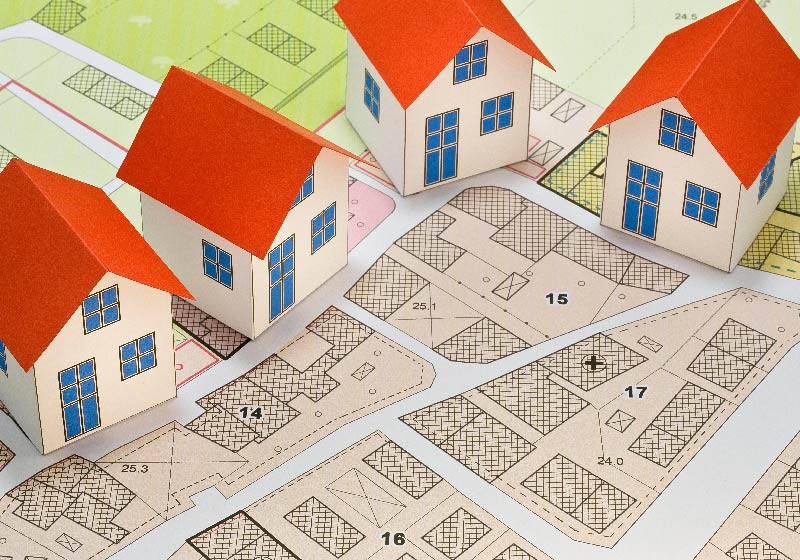
Access to affordable housing has been an ongoing issue all across North America, and communities everywhere have been searching for their own solutions. In New York City, an attempt to address this problem has led to widespread debate and plenty of tension. That attempt? New zoning laws. To be a bit more specific, New York City has a regulation known as the Floor-Area-Ratio cap (or “FAR” cap) which restricts the maximum height of new residential construction within certain areas of the city, like the historic Hell’s Kitchen. We’ve previously discussed how developers have started to convert empty office buildings into apartments in order to add housing opportunities but NYC’s FAR cap might be limiting creative solutions like this. Spectators to this discussion may find themselves wondering if these zoning laws are such a hindrance, why were they put in place originally? And if some zoning laws are only a thorn in the sides of developers, investors, and the average renter, how have they lasted this long? Let’s discuss! What are Zoning Laws?Broadening the discussion for just a second, let’s dive into a few definitions and some background information on zoning laws. To simplify, zoning laws are the rules and restrictions
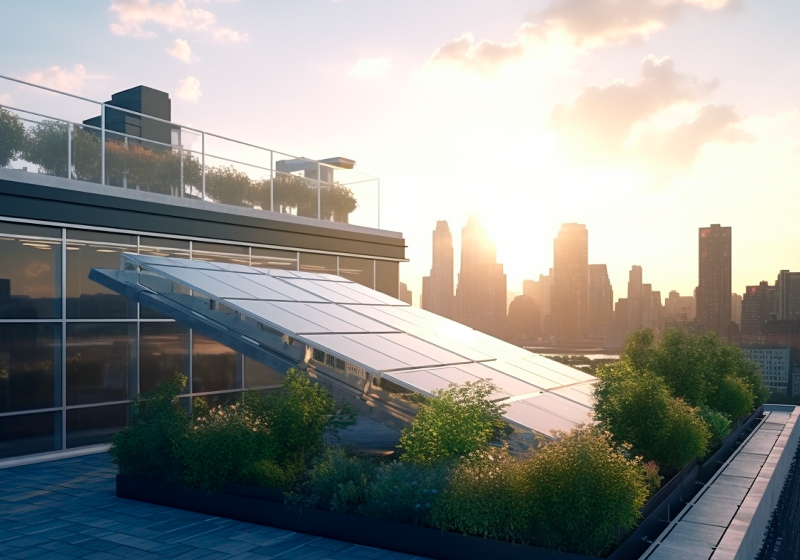
On June 6, 2024, White House National Climate Advisor Ali Zaidi announced the new definition for “zero-energy buildings” at the American Institute of Architects conference. Although this announcement doesn’t carry new regulations for commercial or residential construction, it does outline a target for new buildings and may reveal which features we can expect to become the new standards in the cities of the future. To get a sneak peek on the impact of this announcement, let’s take a look at what zero-energy buildings are, and how they differ from what we see today. What is a Zero-Energy Building?Zero-energy buildings are, to put it simply, buildings that produce more or an equal amount of energy than they consume throughout the course of the year. According to the Department of Energy, residential and commercial buildings account for 74% of electricity usage in the U.S. With a generation increasingly concerned about their impact on the environment, organizations are committed to fast-tracking solutions for lowering usage and its impact. In the past, the road to true zero-energy was regarded as difficult and expensive, but the Department of Energy (DOE) and the Environmental Protection Agency (EPA) believe that it will become more practical due to
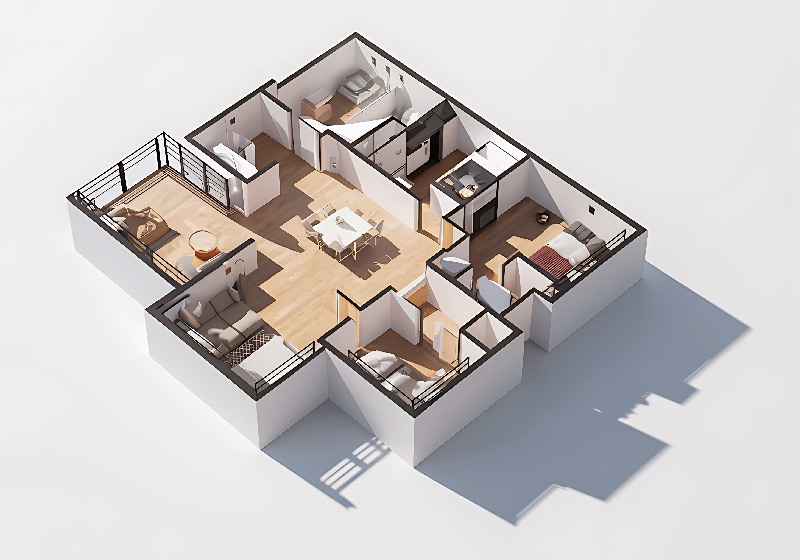
As Bob Dylan once said: the times, they are a-changin.’ For office spaces, this means contending with the demands of remote workers. For warehousing, this means balancing the demands of a growing e-commerce industry with a normalizing retail sector. Factors that ripple out and affect many different facets of life certainly have their own touch on commercial real estate, but in an industry that’s frequently criticized as slow to adapt to the newest technologies, maybe the times are bringing more changes to CRE in 2024 than ever before. Proptech is a catch-all term referring to the cross section of new technologies with residential and commercial real estate. While some tech integrations with the every-day of property management and the buying/selling process have streamlined the commercial real estate industry already, some are looking at the residential proptech seen in smart homes and speculating at the eye-popping changes sure to come soon. Today, let’s review a few of those types of proptech that are creating waves in CRE in 2024! Virtual Tours and 3D Floor PlansIn general, proptech that’s been gaining popularity in CRE are the types that cut down drastically on wasted time, and a few techniques that are great at

It seems the rumors of the modern shopping mall’s demise have been greatly exaggerated. For years, the rise of convenient e-commerce alternatives cast a shadow over the once-bustling indoor mall. Vacancies increased, and foot traffic steadily declined. The pandemic further fueled the narrative of the shopping mall’s inevitable death, a stark contrast to its heyday as the North American public square in the 80s and 90s. However, a recent study by Placer.ai, an analytics company specializing in commercial real estate data, paints a brighter picture. They compared indoor mall, open-air shopping center, and outlet mall visits in 2024 to pre-pandemic (2019) levels. The results show shoppers are returning, with open-air centers exceeding 2019 numbers for the first time in Q1 of 2024. Indoor malls and outlet malls are lagging behind, but indoor malls have rebounded significantly, going from nearly 30% less traffic in Q1 2021 to only 5% below 2019 numbers in Q1 2024. While many malls are thriving in 2024, the growth isn’t universal. Let’s explore the factors contributing to success in this evolving market. A Smaller, More Streamlined InventoryIt’s important to note that not all malls are experiencing the recovery. Industry analysts suggest there are still too many

Over the past hundred years or so, human life has changed radically. From the farms to the city, from simple dugout homes in the prairies to towering high-rise skyscrapers in bustling downtowns, there are many aspects of the modern world that would leave the architects and engineers of yesteryear amazed. Still, that hasn’t stopped many from imagining what our future cities might look like, not to mention guessing at how we might solve the problems we face today. According to the President and Designated Expert of the Council on Tall Buildings and Urban Habitat (CTBUH), one feature that may grow in prominence within cities around the world is the skybridge. In the CTBUH Journal, Wood writes: “For more than a century, architects and urban visionaries have foretold of three-dimensional cities, with tall buildings linked by skybridges forming a new kind of urban fabric. Rapid urbanization and new technological advances have converged to reignite the potential of such constructions at the urban scale.” Antony Wood’s 2020 comments carried an excited vision for skybridges moving into the future, but have these predictions become a reality, or are we still waiting to see their full potential? What is a Skybridge?For the uninitiated, skybridges
A project’s ability to adapt is what ultimately determines consistent success, whether navigating weather delays or budget changes.
Urban downtowns have been seen as the center of city life. Recently, however, this system has been going through some growing pains.
Answering the call for housing everywhere, 2024 was truly the year of multi-family properties, as over 500,000 new units were completed by the end of December. While 2025 may see a slight step back in completions, 2 million new apartments are arriving on the market by 2028.
Walgreens made news this year when it announced its plans to close 1,200 locations over the next three years (per CNN), an exclamation point on the ongoing struggles of the retail drugstore industry…This begs the question: is the modern drugstore still relevant?
You may not have noticed, but this is actually an election year. That’s right! Currently, the two major parties are jockeying for political seats all across the United States at the local, state, and federal levels. All jokes aside, especially in our polarized political climate, it can often feel like the presence of an election year touches every industry and every aspect of our daily lives. For those who work in the real estate industry or anything tangential to commercial real estate, you’re certainly aware of the ominous reputation associated with election years. According to prevailing belief, election years wreak havoc on investments–projects can stall as uncertainty muddies the waters until the market finally comes up for air post-election. Though this is the prominent impression, do election years truly have such an outsize impact? Or is this another myth causing hesitation from quality opportunities? Let’s take a look! Political Factors that Impact CRECommercial real estate is, of course, influenced by many policies from the local level all the way to the white house. From tax codes to zoning laws, policies can fluctuate from administration to administration, which certainly affects investment plans. Additionally, one candidate may focus on a particular issue
Access to affordable housing has been an ongoing issue all across North America, and communities everywhere have been searching for their own solutions. In New York City, an attempt to address this problem has led to widespread debate and plenty of tension. That attempt? New zoning laws. To be a bit more specific, New York City has a regulation known as the Floor-Area-Ratio cap (or “FAR” cap) which restricts the maximum height of new residential construction within certain areas of the city, like the historic Hell’s Kitchen. We’ve previously discussed how developers have started to convert empty office buildings into apartments in order to add housing opportunities but NYC’s FAR cap might be limiting creative solutions like this. Spectators to this discussion may find themselves wondering if these zoning laws are such a hindrance, why were they put in place originally? And if some zoning laws are only a thorn in the sides of developers, investors, and the average renter, how have they lasted this long? Let’s discuss! What are Zoning Laws?Broadening the discussion for just a second, let’s dive into a few definitions and some background information on zoning laws. To simplify, zoning laws are the rules and restrictions
On June 6, 2024, White House National Climate Advisor Ali Zaidi announced the new definition for “zero-energy buildings” at the American Institute of Architects conference. Although this announcement doesn’t carry new regulations for commercial or residential construction, it does outline a target for new buildings and may reveal which features we can expect to become the new standards in the cities of the future. To get a sneak peek on the impact of this announcement, let’s take a look at what zero-energy buildings are, and how they differ from what we see today. What is a Zero-Energy Building?Zero-energy buildings are, to put it simply, buildings that produce more or an equal amount of energy than they consume throughout the course of the year. According to the Department of Energy, residential and commercial buildings account for 74% of electricity usage in the U.S. With a generation increasingly concerned about their impact on the environment, organizations are committed to fast-tracking solutions for lowering usage and its impact. In the past, the road to true zero-energy was regarded as difficult and expensive, but the Department of Energy (DOE) and the Environmental Protection Agency (EPA) believe that it will become more practical due to
As Bob Dylan once said: the times, they are a-changin.’ For office spaces, this means contending with the demands of remote workers. For warehousing, this means balancing the demands of a growing e-commerce industry with a normalizing retail sector. Factors that ripple out and affect many different facets of life certainly have their own touch on commercial real estate, but in an industry that’s frequently criticized as slow to adapt to the newest technologies, maybe the times are bringing more changes to CRE in 2024 than ever before. Proptech is a catch-all term referring to the cross section of new technologies with residential and commercial real estate. While some tech integrations with the every-day of property management and the buying/selling process have streamlined the commercial real estate industry already, some are looking at the residential proptech seen in smart homes and speculating at the eye-popping changes sure to come soon. Today, let’s review a few of those types of proptech that are creating waves in CRE in 2024! Virtual Tours and 3D Floor PlansIn general, proptech that’s been gaining popularity in CRE are the types that cut down drastically on wasted time, and a few techniques that are great at
It seems the rumors of the modern shopping mall’s demise have been greatly exaggerated. For years, the rise of convenient e-commerce alternatives cast a shadow over the once-bustling indoor mall. Vacancies increased, and foot traffic steadily declined. The pandemic further fueled the narrative of the shopping mall’s inevitable death, a stark contrast to its heyday as the North American public square in the 80s and 90s. However, a recent study by Placer.ai, an analytics company specializing in commercial real estate data, paints a brighter picture. They compared indoor mall, open-air shopping center, and outlet mall visits in 2024 to pre-pandemic (2019) levels. The results show shoppers are returning, with open-air centers exceeding 2019 numbers for the first time in Q1 of 2024. Indoor malls and outlet malls are lagging behind, but indoor malls have rebounded significantly, going from nearly 30% less traffic in Q1 2021 to only 5% below 2019 numbers in Q1 2024. While many malls are thriving in 2024, the growth isn’t universal. Let’s explore the factors contributing to success in this evolving market. A Smaller, More Streamlined InventoryIt’s important to note that not all malls are experiencing the recovery. Industry analysts suggest there are still too many
Over the past hundred years or so, human life has changed radically. From the farms to the city, from simple dugout homes in the prairies to towering high-rise skyscrapers in bustling downtowns, there are many aspects of the modern world that would leave the architects and engineers of yesteryear amazed. Still, that hasn’t stopped many from imagining what our future cities might look like, not to mention guessing at how we might solve the problems we face today. According to the President and Designated Expert of the Council on Tall Buildings and Urban Habitat (CTBUH), one feature that may grow in prominence within cities around the world is the skybridge. In the CTBUH Journal, Wood writes: “For more than a century, architects and urban visionaries have foretold of three-dimensional cities, with tall buildings linked by skybridges forming a new kind of urban fabric. Rapid urbanization and new technological advances have converged to reignite the potential of such constructions at the urban scale.” Antony Wood’s 2020 comments carried an excited vision for skybridges moving into the future, but have these predictions become a reality, or are we still waiting to see their full potential? What is a Skybridge?For the uninitiated, skybridges