
There has been an ongoing tug-of-war between workers and CEOs about whether it’s finally time to return to the office after remote and hybrid schedules became the new norm. While workers have enjoyed new flexibility and freedom, there have been fears that collaboration and innovation have taken a hit (see research from Michael Gibbs, Friederike Mengel, & Christoph Siemroth).
Whether true or not, commercial office buildings have been left eerily empty, and CEOs are calling for workers to return to the office en masse. Just as workers are going to need time to readjust to office life, unused buildings are going to need a tune-up in order to handle the sudden increased use.
To get ready for RTO mandates (and to make sure your office space isn’t stuck in the early 2000s), here are a few maintenance tasks and upgrades to implement today.
Improve Air Quality and Ventilation
Full-time office workers spend a lot of time indoors at their desks. Because of this, fighting over the thermostat isn’t the only thing to worry about when it comes to keeping everyone comfortable. The quality of the air that they’re breathing for eight to nine hours a day will have a heavy influence on their health and overall well-being.
Just like inside homes, office buildings can trap nasty toxins indoors if their ventilation systems aren’t up to snuff, subjecting workers to things like radon, VOCs (volatile organic compounds) from cleaning supplies, paint, or air fresheners, and even mold. Before the team comes back into the office, building managers can look into indoor air quality (IAQ) testing to identify any potential issues and develop a plan for eradicating them.
When it comes to maintenance, the HVAC unit is like the lungs of an office building. Make sure your HVAC systems are functioning well, serviced regularly, and that its filters are changed at least quarterly. Note: the EPA recommends HEPA (high efficiency particulate air) filters to eliminate 99.97% of dust, pollen, mold, bacteria, and other airborne particles.
Accommodate Hybrid and Remote Work
Though more work will be done in the office in the near future, that doesn’t mean we’re saying goodbye to hybrid and remote work. Far from it, analysts like Helena Young over at MSN predict that hybrid work is here to stay and will be a fixture of the professional world for the foreseeable future. Office buildings will need to adapt and accommodate these new working styles, which likely means that outdated spaces will be due for an upgrade.
Conference rooms need to allow for out-of-office participants to be seen and heard, and file sharing via the cloud needs to be easily accessible from many devices – just as a start! Whatever the needs of the team are, office buildings need to keep up with tech requirements and enable new forms of collaboration as much as possible, ideally with high speed internet connectivity.
Eliminate Fire Hazards
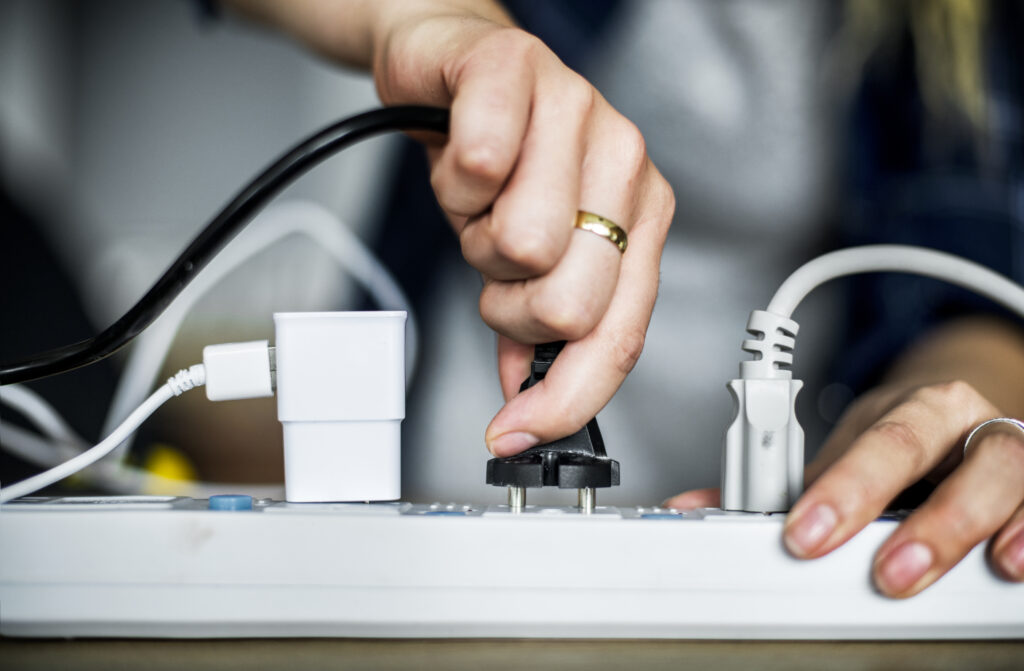
When buildings are underutilized for an extended period of time, some maintenance items can fall by the wayside. In office spaces, this translates into fire hazards. Commercial buildings commonly rely on powerstrips and extension cords to power heavy-duty items that they simply weren’t built for, and old, frayed wiring is an electrical red flag. Before the team moves back into the office, take the time to review and update electrical systems and transition temporary fixes to more permanent, safe solutions.
Similarly, electrical issues probably also mean that the building isn’t pulling its power efficiently. Take advantage of an office building that is still empty and look into getting an energy audit to save money once the traffic increases. Things like blower door tests can help identify heat loss from unexpected areas in the building envelope and substantially lower energy waste in the long run.
Optimize the Layout for Collaboration
The return to office mandates shouldn’t be seen as work life going back to the way that things used to be. On the contrary, bosses and building managers need to take advantage of this moment to rethink how they are using their space and make a change for the better.
In the olden days, the largest chunk of office spaces were devoted to private offices where people could separate from the noise and dial in on tasks. Today, many workers prefer to engage with these demanding, high-attention tasks at their home offices instead where they may have more control over distractions. Because of this shift, modern offices are transitioning to open concepts, with “collaborative spaces” and social areas taking up the largest share of space.
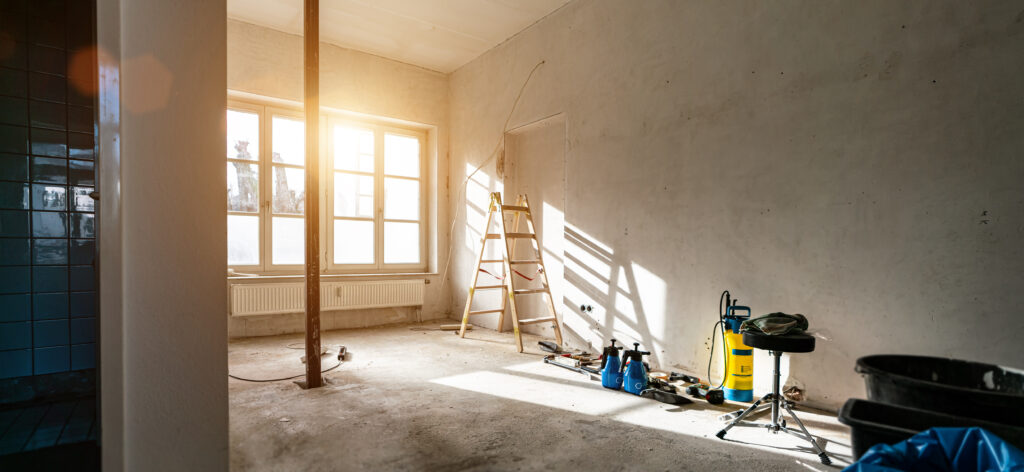
Whatever the teams’ new needs might be, larger office redesigns and renovations can be planned and installed before everyone returns to the office, setting the entire company up for success.
Repair and Upgrade the Exterior
Finally, more people in their office and at their desks will also mean more cars in the parking lot. Potholes and debris aren’t just safety hazards, they can also drive away high-caliber candidates when it’s time to hire. A well-maintained exterior gives off a strong first impression to guests and reflects well on the business as a whole.
Take the time to reevaluate the building’s exterior, repair potholes, clean up debris, and ensure that an ongoing exterior maintenance plan is in place. Remember, building drainage issues can often lead to premature deterioration of landscaping and walkways, as well any driving zones. Remove dead limbs or greenery that are incorrectly diverting run-off to better avoid pooling water in the parking lot and to protect the property foundation from damage.
Additionally, new exterior seating and landscaping features could encourage workers who are returning to the office for the first time in a while. Offices with amenities that workers want to use are far more attractive than workspaces that have been neglected and seem to be lacking.
The RTO movement could mark a new chapter of collaboration and innovation if everyone embraces the change in setting. With a few updates and a willingness to reinvent what an office space can be, success is bound to follow
NPI is the industry’s top choice for commercial inspections across the US. For commercial building inspections, PCAs, construction progress assessments, maintenance inspections, or any other inspection needs, contact National Property Inspections, Inc. today at (800) 333-9807, ex. 30 or fill out our form.