Buying, developing, managing, and selling commercial properties successfully requires a lot of careful planning and consideration. No one wants to be stuck with a property that turns into a constant money pit, with major repairs popping up out of nowhere in the middle of an asset life cycle.
To stay ahead of maintenance and to help manage their investments, owners and investors have found it helpful to view their properties with what is known as the asset life cycle. Using this method, investors can better anticipate the unique challenges that their property will face while taking advantage of new opportunities.
Those in the CRE industry may be well versed in the asset life cycle, but they may not be aware of how a property inspection can benefit them during every step. Today, let’s review exactly what the asset life cycle is, and how property inspections can drive long-term success.
What is the Asset Life Cycle?
Every building is different, but the overall needs of a newly constructed property are very different from those of a historic structure overdue for restoration. With this in mind, developers have found it useful to reference the asset life cycle – a way to categorize assets into one of four stages. This tool is a powerful shorthand that helps outline a property’s needs, improve efficiency, and plan out how to allocate capital.
The four stages of the asset life cycle are:
- Purchase and Development
- Regular Operation
- Ongoing Maintenance
- Disposal or Redevelopment
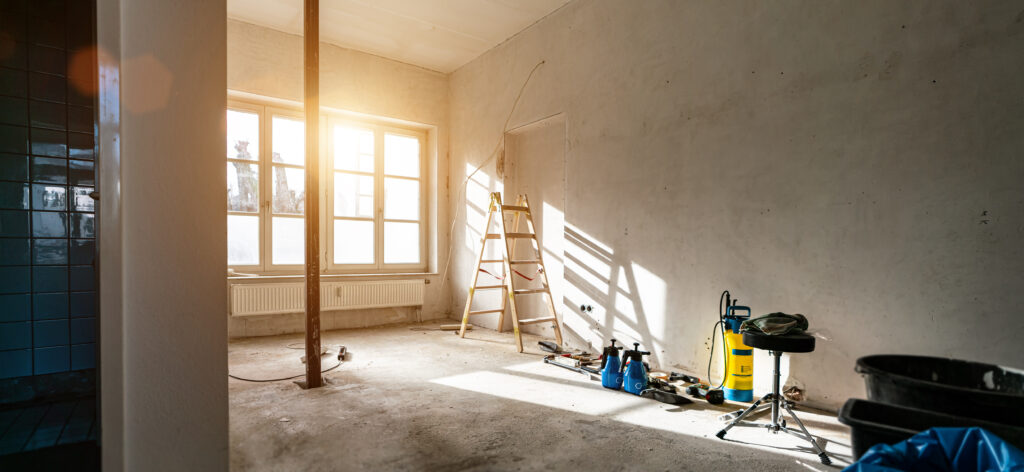
The purchase and development phase applies to both brand-new buildings (even those in the pre-development phase) and properties undergoing renovation. In this phase, owners and developers make a wide range of decisions such as design, materials, systems (like HVAC and roofing), and financing. For remodeling existing buildings, this stage can also involve planning out how a property can meet new operational goals.
After this initial phase, a property moves into the regular operation stage and the ongoing maintenance stage, which make up the majority of the asset’s overall lifespan. Owners in these stages evaluate how efficiently their property is performing its intended function, while also managing the inevitable bumps and bruises that it incurs along the way.
Finally, the last phase of the asset life cycle is disposal or redevelopment. No matter how a commercial space starts out, there comes a point where a lack of profitability, substantial repair needs, or shifts in market demands mean that a change has to be made. In some cases, property owners may decide that large-scale renovations are realistic, opening the door to a new chapter in a particular asset. But in other cases, selling off the property or full demolition may be the best course of action instead.
Whether a property moves through the asset life cycle just once or many times, owners, managers, and developers have found it helpful to use these stages as a general guide to help budget and to plan for the future. Along with this process, property inspections play a key role in offering insights that can steer choices at each stage.
Stage 1: Building Confidence During Purchases and Development
When investing in a new building development, lenders and owners are well aware of how important it is to confirm construction progress. They are well-versed in assessing risks, following compliance regulations, and ensuring that their investments meet safety standards.
These and many other concerns may arise during a new building’s construction, which is why lenders seek to stay ahead of issues by ordering draw inspections. Draw inspections are a series of site visits where inspectors confirm that a project is on schedule and that the budget is used appropriately. After finances and initial planning take place, these inspections are essential to ensure that an investor’s plan goes off without a hitch.
Many issues can arise during the construction of a commercial building, from mistakes during installation, to substandard material quality, to damage from heavy excavation equipment (which can wreak havoc on foundations and sewer lines). Property inspections during the purchase of a building are only the beginning of the essential role inspections have in the first stage of a property’s life.
Stage 2: Improve Efficiency During Regular Operations
Even after a property has been in operation for years, owners are always interested in improving their costs and keeping vacancies low. Commercial buildings commonly struggle with inefficiency due to a larger number of windows, for example, which can be a notorious source of heat loss. To combat this ongoing financial drain, property inspectors come into play once again via energy audit consultations.
Through methods like blower door tests, inspectors can identify leaky windows, doors, or walls in need of repair. Additionally, inspectors who utilize infrared cameras can point out spotty insulation and even electrical issues. These assessments are just one way that building owners can partner with commercial building inspectors to make corrections that save money in the long run.
Stage 3: Practice Preventive Maintenance and Stay on Schedule
Improving the day-to-day operations of a building is all well and good, but property managers are likely far more focused on avoiding unplanned maintenance problems that bring along a massive bill or disrupt their tenants’ activities. The best strategy to avoid these inconvenient situations is holding to a preventive maintenance schedule, including things like changing air filters, servicing HVAC systems, and keeping roofs clear of clutter.
Property managers and owners who work inspections into their annual maintenance plans can stay ahead of repairs and replacements as well as monitor whether their assets continues to be profitable. A maintenance team can track a building’s wear and tear over time, but commercial inspectors provide insights on updated standards, needed upgrades, and timing for each system’s end of life.
Stage 4: Evaluate the Property to Determine Disposal or Redevelopment
Finally, as an asset reaches the final stage of its life cycle, owners need to make tough decisions regarding what the future will bring. In instances when a competitive alternative has pulled away clients and tenants, large-scale renovations might be the key to returning to viability. Alternatively, when an asset class sees its market value falling, transitioning to a new class could give the property a new lease on life (like when adapting an office building into an apartment complex).
For any major renovation, inspections can ensure projects go according to plan while also identifying issues along the way. If an owner instead decides that their best course of action is to move on and sell, commercial inspections assist in asset evaluation and provide overall clarity to that next purchase.
By following the asset life cycle, property owners and managers can anticipate operating costs and make plans on future transactions. While this framework is helpful all on its own, commercial inspections help property owners realize their goals during every step in the process.
Looking to purchase a new commercial property, refine your operations, or bring your maintenance plans up to date? National Property Inspections is the industry’s premier name in commercial inspections. Contact us today to get the conversation started.