
Revitalizing Downtowns with Live/Work/Play Communities
Urban downtowns have been seen as the center of city life. Recently, however, this system has been going through some growing pains.

Urban downtowns have been seen as the center of city life. Recently, however, this system has been going through some growing pains.
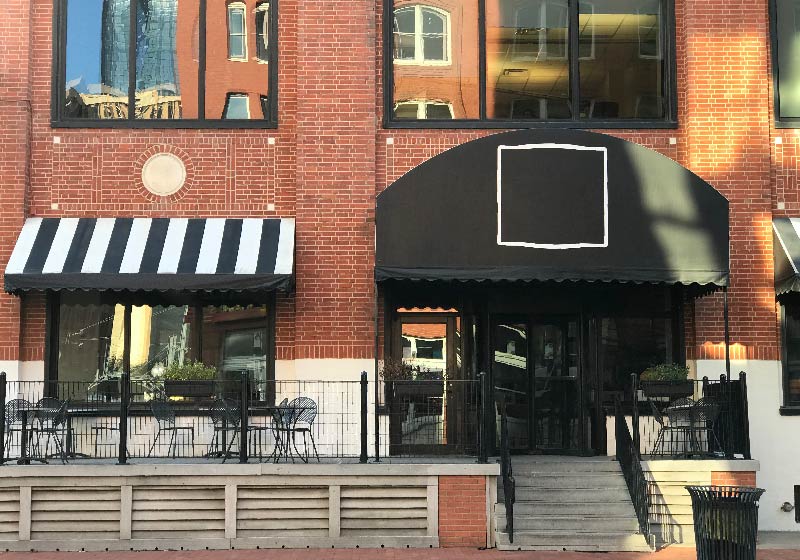
Despite the glut of online-only shoppers, businesses still need a strong, inviting storefront. If your storefront needs a little attention, here are some thoughts on how to start your revamp.

Over the past hundred years or so, human life has changed radically. From the farms to the city, from simple dugout homes in the prairies to towering high-rise skyscrapers in bustling downtowns, there are many aspects of the modern world that would leave the architects and engineers of yesteryear amazed. Still, that hasn’t stopped many from imagining what our future cities might look like, not to mention guessing at how we might solve the problems we face today. According to the President and Designated Expert of the Council on Tall Buildings and Urban Habitat (CTBUH), one feature that may grow in prominence within cities around the world is the skybridge. In the CTBUH Journal, Wood writes: “For more than a century, architects and urban visionaries have foretold of three-dimensional cities, with tall buildings linked by skybridges forming a new kind of urban fabric. Rapid urbanization and new technological advances have converged to reignite the potential of such constructions at the urban scale.” Antony Wood’s 2020 comments carried an excited vision for skybridges moving into the future, but have these predictions become a reality, or are we still waiting to see their full potential? What is a Skybridge?For the uninitiated, skybridges
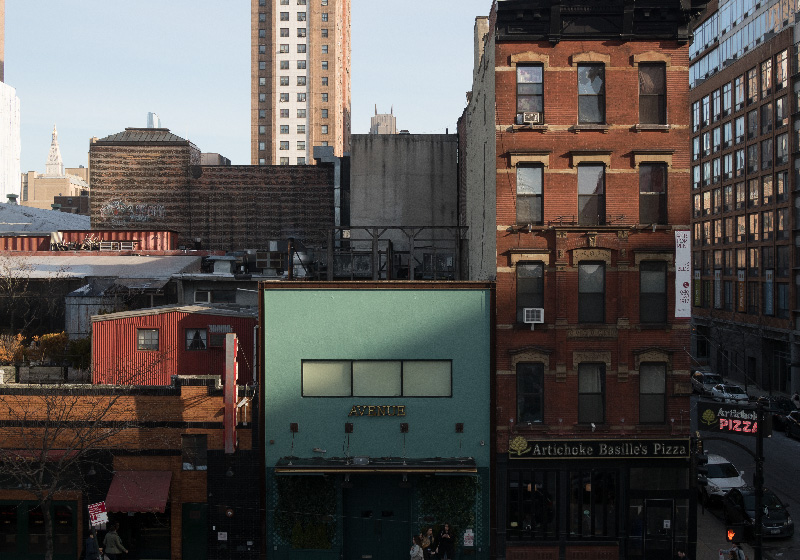
They’ve been popping up more and more in downtowns everywhere, and it’s no surprise. Mixed-use properties, or properties that incorporate more than one asset type – often with both residential housing units and commercial units – seem to be one route investors are turning to for answers to an inconsistent and unpredictable real estate market. Mixed-use properties not only provide those traditional benefits of allowing a more diverse market of renters and a more reliable portfolio staple, but many are coming to recognize the unique draw mixed-use properties can have for tenants. The Benefits of Mixed-Use PropertiesWith a larger barrier-to-entry for first-time homeowners today (see some of the latest research from experts over at Nerd Wallet), more people are opting to rent for longer. For renters who are used to living in more urbanized areas, mixed-use properties are becoming a natural draw. Buildings that include residential units and businesses like gyms, coffee shops, or grocery stores are extremely attractive to renters for a more convenient lifestyle. They also cut down on emissions for a greener, eco-conscious lifestyle. From a commercial tenant’s perspective, location and access to potential customers is always a major draw. One’s imagination can quickly go wild when

From time to time a trend pops up in commercial real estate that’s interesting or strange enough to get a conversation going. Throughout the pandemic, when businesses were struggling everywhere, the trend that captured the imagination of entrepreneurs in the midst of a chaotic restaurant industry was “ghost kitchens” (we wrote about it, too!). While restaurants, retail stores, and other businesses tried to adapt to new expectations from their customers, the freedom and flexibility from ghost kitchens made some believe that they would make up 20% of the restaurant industry by 2025 (per CNN). After such lofty predictions, it may be a shock to see businesses like Kitchen United, Butler Hospitality, and CloudKitchens pulling back in a big way after their own considerable investments in the ghost kitchen concept. So, what happened? And what can we learn from this trend’s near meteoric rise and sudden fall? What are Ghost Kitchens?To recap, ghost kitchens (also known as cloud kitchens, virtual kitchens, and dark kitchens) are businesses that offer a delivery-only menu, with no available dine-in options for their customers and no unique signage on their location for identification. Because of this (although these businesses existed before the pandemic), ghost kitchens rose

Adaptive reuse is on the rise in commercial real estate as somewhat radical shifts continue to reverberate throughout various CRE subsectors. With the mercurial nature of office and retail space utilization, finding creative ways to repurpose properties without starting from scratch is certainly in the air. This is where “adaptive reuse” comes into play. Do you own a warehouse that’s become an underused capital sink? Restore and renovate the property so that you can reopen it as trendy luxury apartments! Defunct businesses like switchboard operator buildings sitting empty? Rather than tearing it down, reopen it as a unique coffee shop or restaurant. Adaptive reuse is all about creativity and innovation while preserving the interesting historic buildings that can bring a neighborhood or a city its unique character. There are many ways for CRE investors to utilize an adaptive reuse mindset in today’s volatile market, and the benefits of this strategy just might have a considerable impact on their ROI. Common Applications for Adaptive Reuse TodayThe first form of adaptive reuse that we’re seeing pop up over and over recently is the multi-family conversion. Office buildings have continued to struggle filling up post-pandemic, and features like high ceilings, which are somewhat
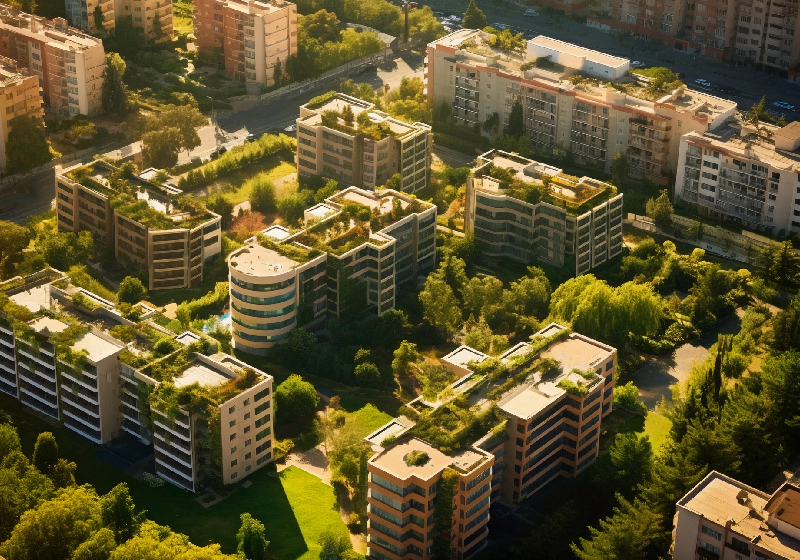
Comfort and familiarity are things that people cling onto for comfort. While most are willing to venture out to a new restaurant or clothing store from time to time to “mix it up,” wider lifestyle changes are generally met with major push-back. In the realm of real estate, this fact is perhaps the most clear in instances of new construction near residential communities. Often, residents of existing communities fight to preserve the familiar feel of their neighborhoods through protesting affordable housing developments, new high-rises, or any unwanted businesses. These conflicts are natural issues for developers and property investment groups, and while these residents may not realize it immediately, derailing growth often comes back to harm their communities beyond what they expected. Change can be tough, but many cities formerly resistant to developments (notably wealthy enclaves) are starting to shift their views to their benefit. What is NIMBY?NIMBY, also sometimes known as nimbyism, is a term used in reference to groups in a community that fight in an organized manner against new developments that threaten their way of life in some manner. Standing for “Not In My Back Yard,” NIMBY started mostly to defend against environmental and public contamination in the
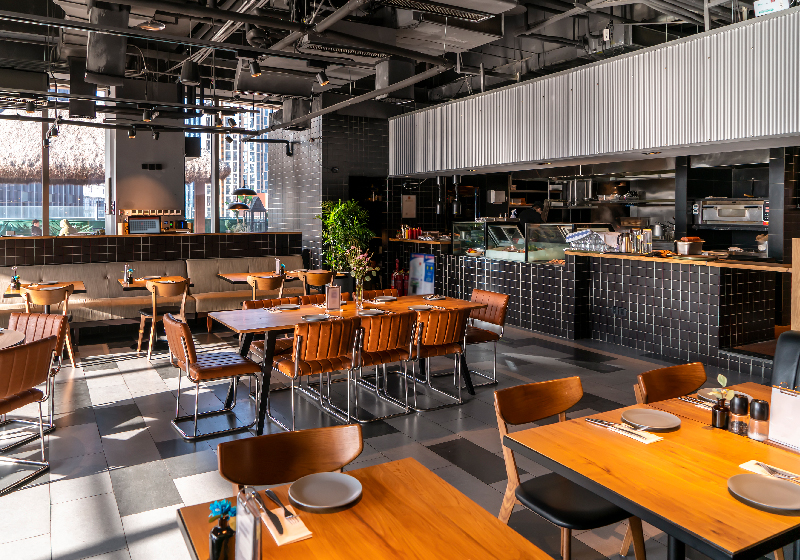
The restaurant industry is one of the most saturated, cutthroat, and intensely competitive industries out there. While there is plenty of misinformation about just how difficult it is to succeed in the food service business, it is widely recognized that the vast majority of restaurants close within their first five years of operation. Per the National Restaurant Association’s latest statistics, 7 out of 10 restaurants are individually owned and unassociated from any chain operations. Considering these hurdles, restaurant owners are wise to pursue strategies that set their business apart from the competition as they work toward sustained success. While food and customer service should be every restaurateur’s main focus, their establishment’s physical design has a bigger effect on foot traffic than they might think. For any restaurant owners that are looking to attract new customers, consider these tips for an improved look. Starting with the Standards (And Why They Work)Depending on the style of restaurant you’re looking to open, certain repetitive features immediately come to mind. Glass front doors, a mixture of table seating and booths, and either warm lighting for fine dining settings, or neon accent lighting for sports bars are all common features. While many implement these options

What’s popular in the world of commercial real estate is dependent on both cultural needs and capitalizing on trends that effectively draw in an audience. One trend making waves is “competitive socializing,” but are these venues a passing fad, or a sign of a rapid transformation in the entertainment sector? Let’s take a look at what exactly this broad concept is, and why it’s making such a splash in commercial real estate. The History of Competitive SocializingCompetitive socializing is a term that commercial real estate investors and property owners have likely come across in association with many of the new “experience-based” businesses growing in popularity. Commonly considered a fusion of hospitality and entertainment, competitive socializing venues look to combine high-quality or niche food and beverages with a unique game or experience. The bones of this concept have been around for some time in the states through restaurants like Chuck E. Cheese or Dave & Buster’s, where customers can enjoy a meal along with classic arcade-style games. Prior to then, though, the term was first used in the U.K. where pubs have long been central gathering points for games and drink. Today, unique concepts that try to fill the need of
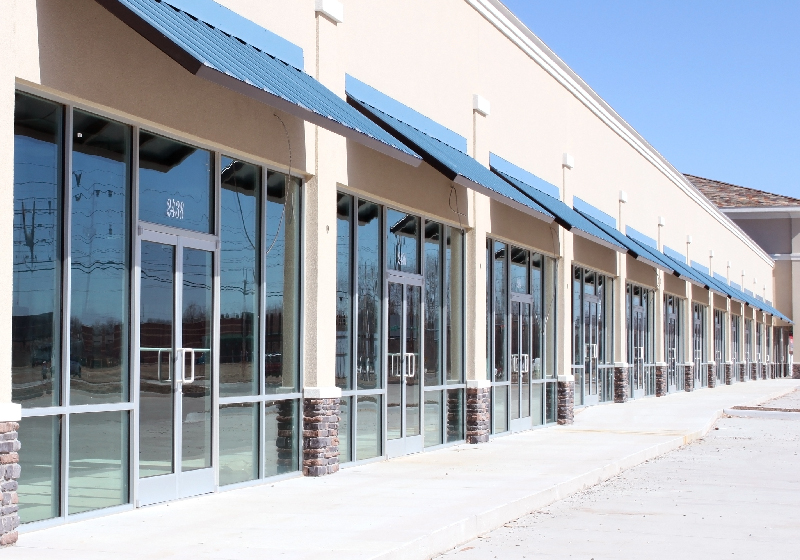
From coast to coast, the latest shopping fixation might come as a surprise. That’s right, strip malls are here to stay! As the economy has had its fair share of speed bumps (and continued hardships are projected to be on their way), strip malls have been a consistent performer in the world of commercial real estate. Of particular note, their performance has been impressive regardless of geographic region. So long as there is a populace residential area in the vicinity, strip malls have become a reliable staple trusted to meet the basic supply needs of consumers. VersatilityThe draw of strip malls in commercial real estate has always been their versatility (and some people have even made it their personal moniker). With these adaptable properties, larger locations can be renovated to fit the needs of multiple tenants that do not require much space. As the market changes, the inherent modularity of these locations affords property owners the room to adjust to market trends. A careful selection of tenants is key when looking to manage a successful strip mall location. The location and clientele should always drive the decisions when selecting quality core tenants, of course. However, as a quick tip, incorporating
Urban downtowns have been seen as the center of city life. Recently, however, this system has been going through some growing pains.
Despite the glut of online-only shoppers, businesses still need a strong, inviting storefront. If your storefront needs a little attention, here are some thoughts on how to start your revamp.
Over the past hundred years or so, human life has changed radically. From the farms to the city, from simple dugout homes in the prairies to towering high-rise skyscrapers in bustling downtowns, there are many aspects of the modern world that would leave the architects and engineers of yesteryear amazed. Still, that hasn’t stopped many from imagining what our future cities might look like, not to mention guessing at how we might solve the problems we face today. According to the President and Designated Expert of the Council on Tall Buildings and Urban Habitat (CTBUH), one feature that may grow in prominence within cities around the world is the skybridge. In the CTBUH Journal, Wood writes: “For more than a century, architects and urban visionaries have foretold of three-dimensional cities, with tall buildings linked by skybridges forming a new kind of urban fabric. Rapid urbanization and new technological advances have converged to reignite the potential of such constructions at the urban scale.” Antony Wood’s 2020 comments carried an excited vision for skybridges moving into the future, but have these predictions become a reality, or are we still waiting to see their full potential? What is a Skybridge?For the uninitiated, skybridges
They’ve been popping up more and more in downtowns everywhere, and it’s no surprise. Mixed-use properties, or properties that incorporate more than one asset type – often with both residential housing units and commercial units – seem to be one route investors are turning to for answers to an inconsistent and unpredictable real estate market. Mixed-use properties not only provide those traditional benefits of allowing a more diverse market of renters and a more reliable portfolio staple, but many are coming to recognize the unique draw mixed-use properties can have for tenants. The Benefits of Mixed-Use PropertiesWith a larger barrier-to-entry for first-time homeowners today (see some of the latest research from experts over at Nerd Wallet), more people are opting to rent for longer. For renters who are used to living in more urbanized areas, mixed-use properties are becoming a natural draw. Buildings that include residential units and businesses like gyms, coffee shops, or grocery stores are extremely attractive to renters for a more convenient lifestyle. They also cut down on emissions for a greener, eco-conscious lifestyle. From a commercial tenant’s perspective, location and access to potential customers is always a major draw. One’s imagination can quickly go wild when
From time to time a trend pops up in commercial real estate that’s interesting or strange enough to get a conversation going. Throughout the pandemic, when businesses were struggling everywhere, the trend that captured the imagination of entrepreneurs in the midst of a chaotic restaurant industry was “ghost kitchens” (we wrote about it, too!). While restaurants, retail stores, and other businesses tried to adapt to new expectations from their customers, the freedom and flexibility from ghost kitchens made some believe that they would make up 20% of the restaurant industry by 2025 (per CNN). After such lofty predictions, it may be a shock to see businesses like Kitchen United, Butler Hospitality, and CloudKitchens pulling back in a big way after their own considerable investments in the ghost kitchen concept. So, what happened? And what can we learn from this trend’s near meteoric rise and sudden fall? What are Ghost Kitchens?To recap, ghost kitchens (also known as cloud kitchens, virtual kitchens, and dark kitchens) are businesses that offer a delivery-only menu, with no available dine-in options for their customers and no unique signage on their location for identification. Because of this (although these businesses existed before the pandemic), ghost kitchens rose
Adaptive reuse is on the rise in commercial real estate as somewhat radical shifts continue to reverberate throughout various CRE subsectors. With the mercurial nature of office and retail space utilization, finding creative ways to repurpose properties without starting from scratch is certainly in the air. This is where “adaptive reuse” comes into play. Do you own a warehouse that’s become an underused capital sink? Restore and renovate the property so that you can reopen it as trendy luxury apartments! Defunct businesses like switchboard operator buildings sitting empty? Rather than tearing it down, reopen it as a unique coffee shop or restaurant. Adaptive reuse is all about creativity and innovation while preserving the interesting historic buildings that can bring a neighborhood or a city its unique character. There are many ways for CRE investors to utilize an adaptive reuse mindset in today’s volatile market, and the benefits of this strategy just might have a considerable impact on their ROI. Common Applications for Adaptive Reuse TodayThe first form of adaptive reuse that we’re seeing pop up over and over recently is the multi-family conversion. Office buildings have continued to struggle filling up post-pandemic, and features like high ceilings, which are somewhat
Comfort and familiarity are things that people cling onto for comfort. While most are willing to venture out to a new restaurant or clothing store from time to time to “mix it up,” wider lifestyle changes are generally met with major push-back. In the realm of real estate, this fact is perhaps the most clear in instances of new construction near residential communities. Often, residents of existing communities fight to preserve the familiar feel of their neighborhoods through protesting affordable housing developments, new high-rises, or any unwanted businesses. These conflicts are natural issues for developers and property investment groups, and while these residents may not realize it immediately, derailing growth often comes back to harm their communities beyond what they expected. Change can be tough, but many cities formerly resistant to developments (notably wealthy enclaves) are starting to shift their views to their benefit. What is NIMBY?NIMBY, also sometimes known as nimbyism, is a term used in reference to groups in a community that fight in an organized manner against new developments that threaten their way of life in some manner. Standing for “Not In My Back Yard,” NIMBY started mostly to defend against environmental and public contamination in the
The restaurant industry is one of the most saturated, cutthroat, and intensely competitive industries out there. While there is plenty of misinformation about just how difficult it is to succeed in the food service business, it is widely recognized that the vast majority of restaurants close within their first five years of operation. Per the National Restaurant Association’s latest statistics, 7 out of 10 restaurants are individually owned and unassociated from any chain operations. Considering these hurdles, restaurant owners are wise to pursue strategies that set their business apart from the competition as they work toward sustained success. While food and customer service should be every restaurateur’s main focus, their establishment’s physical design has a bigger effect on foot traffic than they might think. For any restaurant owners that are looking to attract new customers, consider these tips for an improved look. Starting with the Standards (And Why They Work)Depending on the style of restaurant you’re looking to open, certain repetitive features immediately come to mind. Glass front doors, a mixture of table seating and booths, and either warm lighting for fine dining settings, or neon accent lighting for sports bars are all common features. While many implement these options
What’s popular in the world of commercial real estate is dependent on both cultural needs and capitalizing on trends that effectively draw in an audience. One trend making waves is “competitive socializing,” but are these venues a passing fad, or a sign of a rapid transformation in the entertainment sector? Let’s take a look at what exactly this broad concept is, and why it’s making such a splash in commercial real estate. The History of Competitive SocializingCompetitive socializing is a term that commercial real estate investors and property owners have likely come across in association with many of the new “experience-based” businesses growing in popularity. Commonly considered a fusion of hospitality and entertainment, competitive socializing venues look to combine high-quality or niche food and beverages with a unique game or experience. The bones of this concept have been around for some time in the states through restaurants like Chuck E. Cheese or Dave & Buster’s, where customers can enjoy a meal along with classic arcade-style games. Prior to then, though, the term was first used in the U.K. where pubs have long been central gathering points for games and drink. Today, unique concepts that try to fill the need of
From coast to coast, the latest shopping fixation might come as a surprise. That’s right, strip malls are here to stay! As the economy has had its fair share of speed bumps (and continued hardships are projected to be on their way), strip malls have been a consistent performer in the world of commercial real estate. Of particular note, their performance has been impressive regardless of geographic region. So long as there is a populace residential area in the vicinity, strip malls have become a reliable staple trusted to meet the basic supply needs of consumers. VersatilityThe draw of strip malls in commercial real estate has always been their versatility (and some people have even made it their personal moniker). With these adaptable properties, larger locations can be renovated to fit the needs of multiple tenants that do not require much space. As the market changes, the inherent modularity of these locations affords property owners the room to adjust to market trends. A careful selection of tenants is key when looking to manage a successful strip mall location. The location and clientele should always drive the decisions when selecting quality core tenants, of course. However, as a quick tip, incorporating