
Preparing Your Building for RTO
To get ready for RTO mandates, here are a few maintenance tasks and upgrades to implement today.

To get ready for RTO mandates, here are a few maintenance tasks and upgrades to implement today.
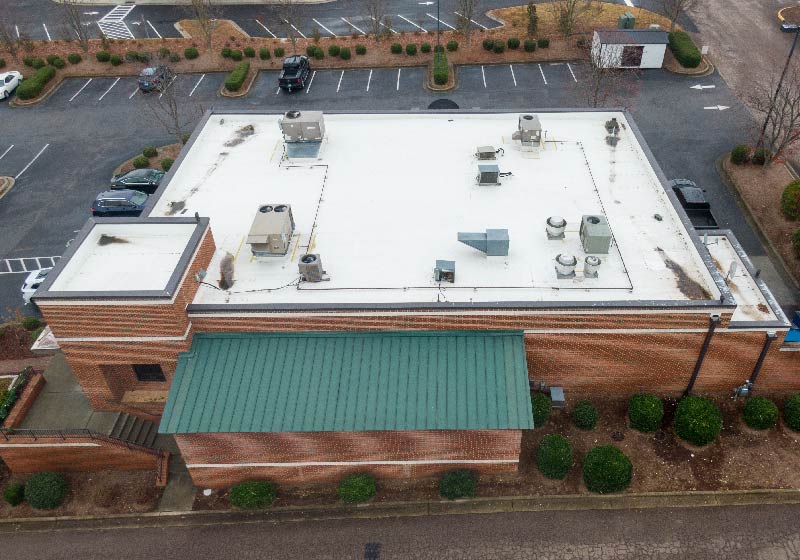
There are a few features common to commercial buildings that are a rarity in the residential sector – features that have their own benefits and their own drawbacks. Today, let’s discuss one of those features that are nearly ubiquitous on commercial properties. That feature? Flat roofs.

Commercial properties require frequent inspections for many different reasons. From new acquisitions, to lease renewals, to recurring maintenance checks, commercial inspections are a standard part of every business’ annual expenses. From a property inspector’s perspective, these jobs are great due to the more professional, less emotionally charged approach in comparison to residential inspections. Plus, commercial properties offer an opportunity to examine bigger, more complex systems in pretty much every category. Investors and property owners may find themselves wondering just how the costs for commercial inspections are determined. Even if you’re newer to the commercial inspection process, you’ve likely seen firsthand that pricing is rarely just a flat rate and that it differs significantly from residential inspection costs. Just as commercial properties serve a wide variety of purposes and come in all shapes and sizes, commercial inspectors know that they have an equally wide variety of inspection needs. While this might make the cost of a commercial inspection tougher to predict in advance, a commercial inspector who factors in all of the unique qualities of the property in their proposal is more likely to deliver a product worth the cost! So, if you’d like more insight on how pricing is determined

On June 6, 2024, White House National Climate Advisor Ali Zaidi announced the new definition for “zero-energy buildings” at the American Institute of Architects conference. Although this announcement doesn’t carry new regulations for commercial or residential construction, it does outline a target for new buildings and may reveal which features we can expect to become the new standards in the cities of the future. To get a sneak peek on the impact of this announcement, let’s take a look at what zero-energy buildings are, and how they differ from what we see today. What is a Zero-Energy Building?Zero-energy buildings are, to put it simply, buildings that produce more or an equal amount of energy than they consume throughout the course of the year. According to the Department of Energy, residential and commercial buildings account for 74% of electricity usage in the U.S. With a generation increasingly concerned about their impact on the environment, organizations are committed to fast-tracking solutions for lowering usage and its impact. In the past, the road to true zero-energy was regarded as difficult and expensive, but the Department of Energy (DOE) and the Environmental Protection Agency (EPA) believe that it will become more practical due to

Over the past hundred years or so, human life has changed radically. From the farms to the city, from simple dugout homes in the prairies to towering high-rise skyscrapers in bustling downtowns, there are many aspects of the modern world that would leave the architects and engineers of yesteryear amazed. Still, that hasn’t stopped many from imagining what our future cities might look like, not to mention guessing at how we might solve the problems we face today. According to the President and Designated Expert of the Council on Tall Buildings and Urban Habitat (CTBUH), one feature that may grow in prominence within cities around the world is the skybridge. In the CTBUH Journal, Wood writes: “For more than a century, architects and urban visionaries have foretold of three-dimensional cities, with tall buildings linked by skybridges forming a new kind of urban fabric. Rapid urbanization and new technological advances have converged to reignite the potential of such constructions at the urban scale.” Antony Wood’s 2020 comments carried an excited vision for skybridges moving into the future, but have these predictions become a reality, or are we still waiting to see their full potential? What is a Skybridge?For the uninitiated, skybridges
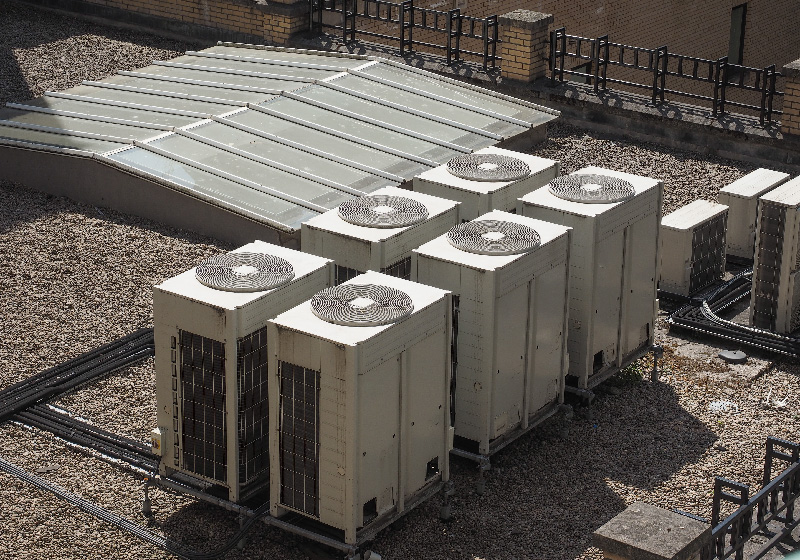
Maintaining a commercial property involves overseeing various complex systems, but none are perhaps as crucial for occupant comfort and health as a well-functioning HVAC system. For property managers or owners unfamiliar with the intricacies of commercial HVAC, this guide provides essential information and helpful tips. Understanding Commercial vs. Residential HVACHomeowners accustomed to their residential HVAC unit might underestimate the power needed to cool a commercial space. While several factors differentiate residential and commercial units, size is the most striking. Due to larger areas, commercial properties often require units up to ten times heavier than residential ones. These units use more powerful components and often work in tandem to handle the demands of large buildings. Unlike residential systems, which often utilize “packaged” all-in-one units for both heating and cooling, commercial systems typically divide these functions among various units. These units, usually located on rooftops for noise reduction and space optimization, generally fall into three categories: Common Issues and PreventionCommercial HVAC systems, regardless of the type, are generally larger and more powerful than their residential counterparts. Here are some common issues and their causes to facilitate early detection: By understanding the unique needs of commercial HVAC systems and implementing preventive measures, property
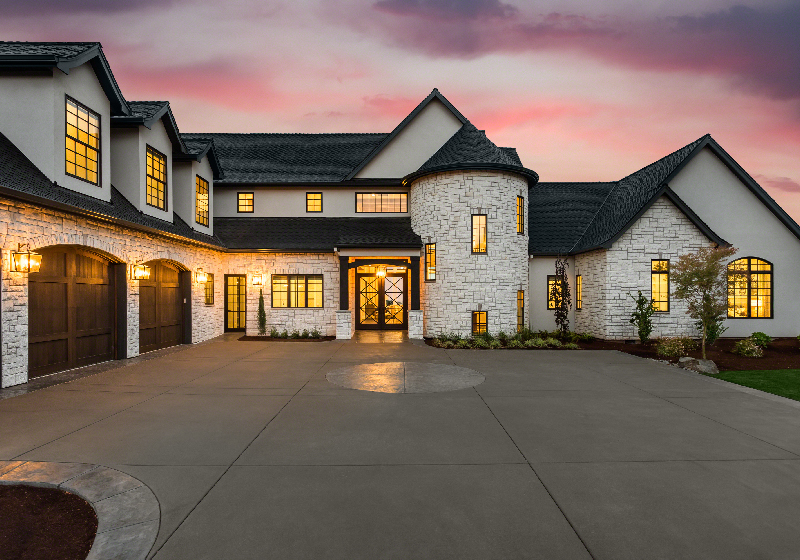
Moving into a new home is an exciting moment, but handling the logistics of each step can be a handful. When moving into a luxury home, it’s important to order a comprehensive home inspection for every purchase, but finding a professional equipped to do the job isn’t always so simple. If you’re struggling to find the right professional to perform a luxury home inspection, opting for someone with a background in commercial property inspections should be a top requirement. Luxury home inspections may have more in common with a commercial inspection than a standard home inspection due to a number of factors, including the property’s size, unique systems, and amenities, which are often modeled after commercial locations. To dive more into why commercial inspectors should be your go-to contact, let’s discuss a bit more about the process of a luxury home inspection. Why is it Important to Get a Luxury Home Inspection?Every homebuyer, whether they are purchasing a new or historic home, should always order a home inspection before closing. Homes experience a natural wear and tear over time that owners tend to ignore or overlook until these problems lead to major expenses or even safety hazards. On top of
Property and business owners are constantly searching for ways to improve their ROI and cut costs when possible. Despite this, the Environmental Protection Agency (EPA) has found that commercial buildings waste 30% of their energy budget on average. In an industry that sees constant innovations, property owners can look to minimize deterioration and update their primary energy-consuming systems by performing a commercial energy audit with a trained professional. What is a Commercial Energy Audit?A commercial energy audit is a comprehensive inspection performed by a professional energy auditor of a building or campus. While every energy audit is customized to fit the needs of the building, each auditor follows the best standards of practice as outlined by bodies like the American Society of Heating, Refrigerating, and Air-Conditioning Engineers (ASHRAE). In an effort to standardize energy audits, ASHRAE has divided these consultations into three separate levels, with the analysis increasing in detail with each step. Residential energy audits tend to stick to the first level, consisting mostly of a basic walkthrough, while commercial energy audits may be more comprehensive. Regardless of the level of audit, the property owner will receive a detailed report with action items to increase energy efficiency. What is
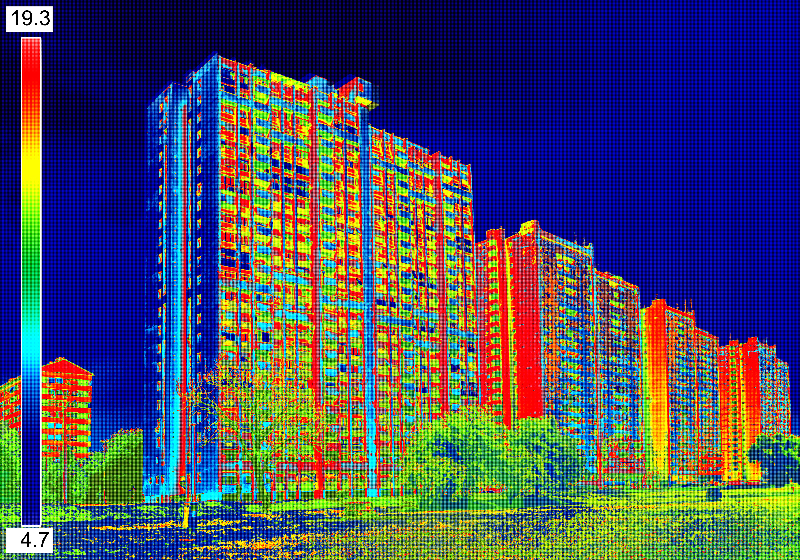
Homeowners know very well how much their energy bills can hurt the wallet throughout the year. For commercial property owners, those energy bills are considerably more punishing. While homeowners can search for ways to cut down on spending, such as adding insulation to their attics, or resealing their windows, commercial property owners too often see energy as a standard cost of operation without much room for adjustment. Of course, with a much larger space to examine, commercial properties can be much more intimidating to survey and that much more difficult to identify areas for improvement. According to Constellation, a leading commercial power supplier in the United States, 40% of the total energy consumption for office buildings comes from heating and cooling alone. Depending on the industry and size of the building, this percentage can be even higher. Commercial property owners are, unfortunately, mostly missing out on these savings that are more accessible for homeowners due to sheer size. To combat this issue, the best answer for property owners is to get a thermographic inspection. What is Thermography? Thermography is a type of scan conducted by property inspectors to find thermal anomalies and air leaks within a building. “Thermographers” use one

To commemorate World Environment Day, your team here at National Property Inspections, Inc. wanted to fill you in on interesting ways to make your commercial property more energy efficient. Creating a space that is environmentally friendly is an easy way to boost curb appeal and increase buyer awareness–all while improving the planet for generations to come. The best part is that there is a huge return on investment when it comes to creating more energy-efficient properties. Energy Efficiency The best way to preserve energy resources is by investing in solar panel energy. Solar panels not only cut traditional energy costs in half, but they aid our environment by creating a form of energy not dependent on fossil fuels or other fuel sources known to cause environmental pollutants. On average, solar panels cost about $25,000. While installing solar panels appears to come at an expensive price on the surface, it should be noted that there are several government-sponsored programs to help compensate for the price of solar panels. One form of government aid used in support of environmental stability is federal income tax credits. By using federal income tax credits, it is possible to receive 30 percent of the total system
To get ready for RTO mandates, here are a few maintenance tasks and upgrades to implement today.
There are a few features common to commercial buildings that are a rarity in the residential sector – features that have their own benefits and their own drawbacks. Today, let’s discuss one of those features that are nearly ubiquitous on commercial properties. That feature? Flat roofs.
Commercial properties require frequent inspections for many different reasons. From new acquisitions, to lease renewals, to recurring maintenance checks, commercial inspections are a standard part of every business’ annual expenses. From a property inspector’s perspective, these jobs are great due to the more professional, less emotionally charged approach in comparison to residential inspections. Plus, commercial properties offer an opportunity to examine bigger, more complex systems in pretty much every category. Investors and property owners may find themselves wondering just how the costs for commercial inspections are determined. Even if you’re newer to the commercial inspection process, you’ve likely seen firsthand that pricing is rarely just a flat rate and that it differs significantly from residential inspection costs. Just as commercial properties serve a wide variety of purposes and come in all shapes and sizes, commercial inspectors know that they have an equally wide variety of inspection needs. While this might make the cost of a commercial inspection tougher to predict in advance, a commercial inspector who factors in all of the unique qualities of the property in their proposal is more likely to deliver a product worth the cost! So, if you’d like more insight on how pricing is determined
On June 6, 2024, White House National Climate Advisor Ali Zaidi announced the new definition for “zero-energy buildings” at the American Institute of Architects conference. Although this announcement doesn’t carry new regulations for commercial or residential construction, it does outline a target for new buildings and may reveal which features we can expect to become the new standards in the cities of the future. To get a sneak peek on the impact of this announcement, let’s take a look at what zero-energy buildings are, and how they differ from what we see today. What is a Zero-Energy Building?Zero-energy buildings are, to put it simply, buildings that produce more or an equal amount of energy than they consume throughout the course of the year. According to the Department of Energy, residential and commercial buildings account for 74% of electricity usage in the U.S. With a generation increasingly concerned about their impact on the environment, organizations are committed to fast-tracking solutions for lowering usage and its impact. In the past, the road to true zero-energy was regarded as difficult and expensive, but the Department of Energy (DOE) and the Environmental Protection Agency (EPA) believe that it will become more practical due to
Over the past hundred years or so, human life has changed radically. From the farms to the city, from simple dugout homes in the prairies to towering high-rise skyscrapers in bustling downtowns, there are many aspects of the modern world that would leave the architects and engineers of yesteryear amazed. Still, that hasn’t stopped many from imagining what our future cities might look like, not to mention guessing at how we might solve the problems we face today. According to the President and Designated Expert of the Council on Tall Buildings and Urban Habitat (CTBUH), one feature that may grow in prominence within cities around the world is the skybridge. In the CTBUH Journal, Wood writes: “For more than a century, architects and urban visionaries have foretold of three-dimensional cities, with tall buildings linked by skybridges forming a new kind of urban fabric. Rapid urbanization and new technological advances have converged to reignite the potential of such constructions at the urban scale.” Antony Wood’s 2020 comments carried an excited vision for skybridges moving into the future, but have these predictions become a reality, or are we still waiting to see their full potential? What is a Skybridge?For the uninitiated, skybridges
Maintaining a commercial property involves overseeing various complex systems, but none are perhaps as crucial for occupant comfort and health as a well-functioning HVAC system. For property managers or owners unfamiliar with the intricacies of commercial HVAC, this guide provides essential information and helpful tips. Understanding Commercial vs. Residential HVACHomeowners accustomed to their residential HVAC unit might underestimate the power needed to cool a commercial space. While several factors differentiate residential and commercial units, size is the most striking. Due to larger areas, commercial properties often require units up to ten times heavier than residential ones. These units use more powerful components and often work in tandem to handle the demands of large buildings. Unlike residential systems, which often utilize “packaged” all-in-one units for both heating and cooling, commercial systems typically divide these functions among various units. These units, usually located on rooftops for noise reduction and space optimization, generally fall into three categories: Common Issues and PreventionCommercial HVAC systems, regardless of the type, are generally larger and more powerful than their residential counterparts. Here are some common issues and their causes to facilitate early detection: By understanding the unique needs of commercial HVAC systems and implementing preventive measures, property
Moving into a new home is an exciting moment, but handling the logistics of each step can be a handful. When moving into a luxury home, it’s important to order a comprehensive home inspection for every purchase, but finding a professional equipped to do the job isn’t always so simple. If you’re struggling to find the right professional to perform a luxury home inspection, opting for someone with a background in commercial property inspections should be a top requirement. Luxury home inspections may have more in common with a commercial inspection than a standard home inspection due to a number of factors, including the property’s size, unique systems, and amenities, which are often modeled after commercial locations. To dive more into why commercial inspectors should be your go-to contact, let’s discuss a bit more about the process of a luxury home inspection. Why is it Important to Get a Luxury Home Inspection?Every homebuyer, whether they are purchasing a new or historic home, should always order a home inspection before closing. Homes experience a natural wear and tear over time that owners tend to ignore or overlook until these problems lead to major expenses or even safety hazards. On top of
Property and business owners are constantly searching for ways to improve their ROI and cut costs when possible. Despite this, the Environmental Protection Agency (EPA) has found that commercial buildings waste 30% of their energy budget on average. In an industry that sees constant innovations, property owners can look to minimize deterioration and update their primary energy-consuming systems by performing a commercial energy audit with a trained professional. What is a Commercial Energy Audit?A commercial energy audit is a comprehensive inspection performed by a professional energy auditor of a building or campus. While every energy audit is customized to fit the needs of the building, each auditor follows the best standards of practice as outlined by bodies like the American Society of Heating, Refrigerating, and Air-Conditioning Engineers (ASHRAE). In an effort to standardize energy audits, ASHRAE has divided these consultations into three separate levels, with the analysis increasing in detail with each step. Residential energy audits tend to stick to the first level, consisting mostly of a basic walkthrough, while commercial energy audits may be more comprehensive. Regardless of the level of audit, the property owner will receive a detailed report with action items to increase energy efficiency. What is
Homeowners know very well how much their energy bills can hurt the wallet throughout the year. For commercial property owners, those energy bills are considerably more punishing. While homeowners can search for ways to cut down on spending, such as adding insulation to their attics, or resealing their windows, commercial property owners too often see energy as a standard cost of operation without much room for adjustment. Of course, with a much larger space to examine, commercial properties can be much more intimidating to survey and that much more difficult to identify areas for improvement. According to Constellation, a leading commercial power supplier in the United States, 40% of the total energy consumption for office buildings comes from heating and cooling alone. Depending on the industry and size of the building, this percentage can be even higher. Commercial property owners are, unfortunately, mostly missing out on these savings that are more accessible for homeowners due to sheer size. To combat this issue, the best answer for property owners is to get a thermographic inspection. What is Thermography? Thermography is a type of scan conducted by property inspectors to find thermal anomalies and air leaks within a building. “Thermographers” use one
To commemorate World Environment Day, your team here at National Property Inspections, Inc. wanted to fill you in on interesting ways to make your commercial property more energy efficient. Creating a space that is environmentally friendly is an easy way to boost curb appeal and increase buyer awareness–all while improving the planet for generations to come. The best part is that there is a huge return on investment when it comes to creating more energy-efficient properties. Energy Efficiency The best way to preserve energy resources is by investing in solar panel energy. Solar panels not only cut traditional energy costs in half, but they aid our environment by creating a form of energy not dependent on fossil fuels or other fuel sources known to cause environmental pollutants. On average, solar panels cost about $25,000. While installing solar panels appears to come at an expensive price on the surface, it should be noted that there are several government-sponsored programs to help compensate for the price of solar panels. One form of government aid used in support of environmental stability is federal income tax credits. By using federal income tax credits, it is possible to receive 30 percent of the total system