
The Rise and Fall of Ghost Kitchens: A Post-Mortem Reflection
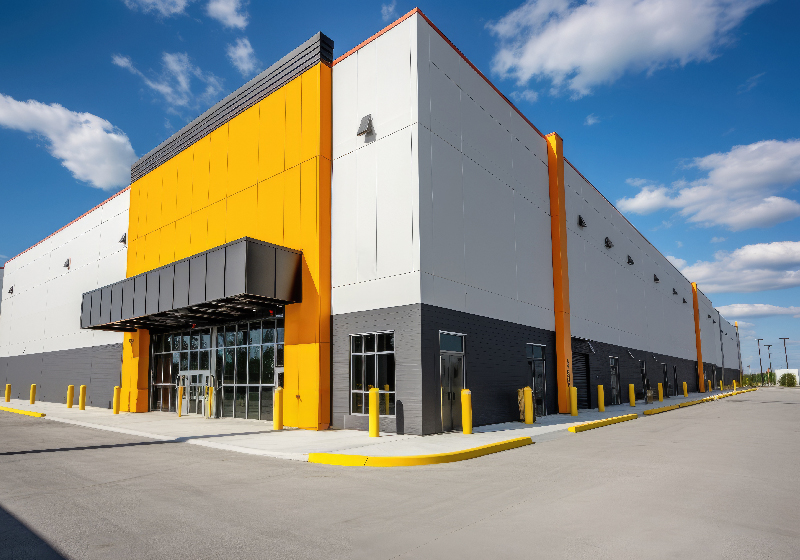
From time to time a trend pops up in commercial real estate that’s interesting or strange enough to get a conversation going. Throughout the pandemic, when businesses were struggling everywhere, the trend that captured the imagination of entrepreneurs in the midst of a chaotic restaurant industry was “ghost kitchens” (we wrote about it, too!). While restaurants, retail stores, and other businesses tried to adapt to new expectations from their customers, the freedom and flexibility from ghost kitchens made some believe that they would make up 20% of the restaurant industry by 2025 (per CNN). After such lofty predictions, it may be a shock to see businesses like Kitchen United, Butler Hospitality, and CloudKitchens pulling back in a big way after their own considerable investments in the ghost kitchen concept. So, what happened? And what can we learn from this trend’s near meteoric rise and sudden fall? What are Ghost Kitchens?To recap, ghost kitchens (also known as cloud kitchens, virtual kitchens, and dark kitchens) are businesses that offer a delivery-only menu, with no available dine-in options for their customers and no unique signage on their location for identification. Because of this (although these businesses existed before the pandemic), ghost kitchens rose