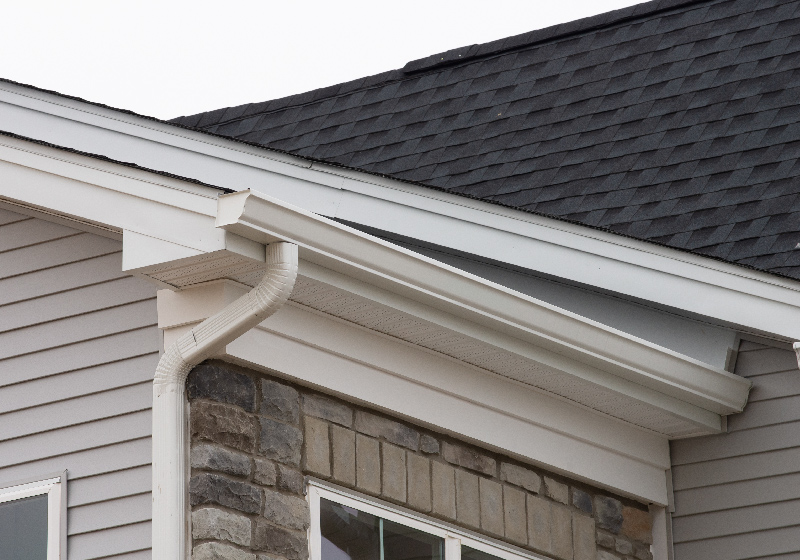
Commercial properties pose a unique challenge for inspectors due to their increased scale and the expanded complexity of many of their internal systems. However, the top concerns for commercial buildings and the everyday family home remains the same: water. Water and moisture have the potential to absolutely wreak havoc on a building’s structural stability, causing wood rot, corrosion, unsightly staining, and even fostering mold growth. While these ever-present dangers are certainly on the minds of property inspectors, builders, and engineers, the “Four D’s” principle has been developed to help ensure safety for tenants. To get a better idea of what property inspectors look for in a well-maintained commercial building, let’s discuss how the “Four D’s” combat rain, snow, and all forms of moisture intrusion. Walls and Roofing Strive to Deflect The first D, and every building’s first defense against water damage refers to its ability to deflect water away from the structure. Roofs and roof overhangs are incredibly important for this process, as is the building’s cladding, a weather-resistant exterior wall layer that is commonly made of metal and provides additional insulation. Common points of water intrusion have been identified over the years, including wall and roof intersections, windows, doors,