Posts

How Do Election Years Affect CRE?

You may not have noticed, but this is actually an election year. That’s right! Currently, the two major parties are jockeying for political seats all across the United States at the local, state, and federal levels. All jokes aside, especially in our polarized political climate, it can often feel like the presence of an election year touches every industry and every aspect of our daily lives. For those who work in the real estate industry or anything tangential to commercial real estate, you’re certainly aware of the ominous reputation associated with election years. According to prevailing belief, election years wreak havoc on investments–projects can stall as uncertainty muddies the waters until the market finally comes up for air post-election. Though this is the prominent impression, do election years truly have such an outsize impact? Or is this another myth causing hesitation from quality opportunities? Let’s take a look! Political Factors that Impact CRECommercial real estate is, of course, influenced by many policies from the local level all the way to the white house. From tax codes to zoning laws, policies can fluctuate from administration to administration, which certainly affects investment plans. Additionally, one candidate may focus on a particular issue

Read More »

How Much Does a Commercial Property Inspection Cost?

Commercial properties require frequent inspections for many different reasons. From new acquisitions, to lease renewals, to recurring maintenance checks, commercial inspections are a standard part of every business’ annual expenses. From a property inspector’s perspective, these jobs are great due to the more professional, less emotionally charged approach in comparison to residential inspections. Plus, commercial properties offer an opportunity to examine bigger, more complex systems in pretty much every category. Investors and property owners may find themselves wondering just how the costs for commercial inspections are determined. Even if you’re newer to the commercial inspection process, you’ve likely seen firsthand that pricing is rarely just a flat rate and that it differs significantly from residential inspection costs. Just as commercial properties serve a wide variety of purposes and come in all shapes and sizes, commercial inspectors know that they have an equally wide variety of inspection needs. While this might make the cost of a commercial inspection tougher to predict in advance, a commercial inspector who factors in all of the unique qualities of the property in their proposal is more likely to deliver a product worth the cost! So, if you’d like more insight on how pricing is determined

Read More »

Zoning Laws and How to Work with Them

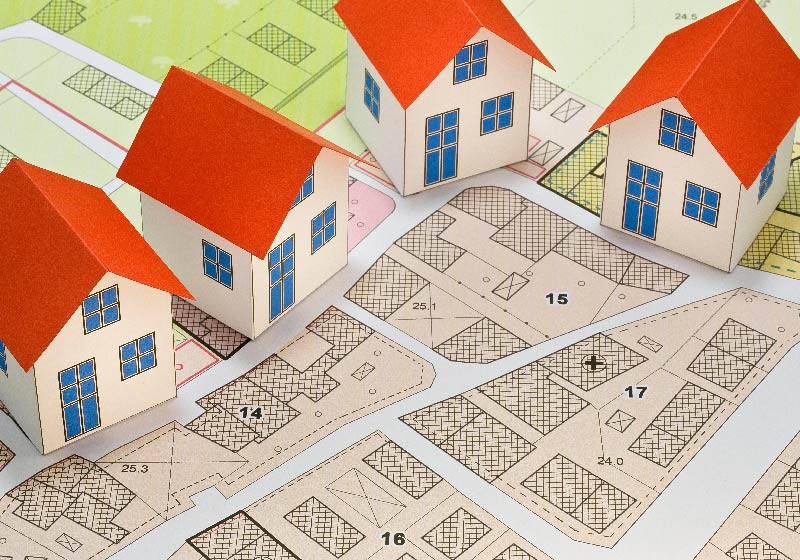
Access to affordable housing has been an ongoing issue all across North America, and communities everywhere have been searching for their own solutions. In New York City, an attempt to address this problem has led to widespread debate and plenty of tension. That attempt? New zoning laws. To be a bit more specific, New York City has a regulation known as the Floor-Area-Ratio cap (or “FAR” cap) which restricts the maximum height of new residential construction within certain areas of the city, like the historic Hell’s Kitchen. We’ve previously discussed how developers have started to convert empty office buildings into apartments in order to add housing opportunities but NYC’s FAR cap might be limiting creative solutions like this. Spectators to this discussion may find themselves wondering if these zoning laws are such a hindrance, why were they put in place originally? And if some zoning laws are only a thorn in the sides of developers, investors, and the average renter, how have they lasted this long? Let’s discuss! What are Zoning Laws?Broadening the discussion for just a second, let’s dive into a few definitions and some background information on zoning laws. To simplify, zoning laws are the rules and restrictions

Read More »

Building Community: How to Plan Events at Multifamily Properties

People have been through a lot in recent years. Between how the pandemic limited social interactions and a general rise in nostalgia, researchers have noticed an unfortunate trend. According to Discovery ABA, a children’s therapy service provider, over 60% of adults in the US report feeling lonely, and for young adults this stat is even more shocking. With a whopping 79% of young people reporting feeling lonely, researchers are now calling Gen Z the loneliest generation. This can certainly sound dire, but there are those who also see this trend as a rising opportunity. People want to be more social, they want interaction with their neighbors, and people want a larger sense of community where they live. Since 45 million households are renters (from data collected by the National Multifamily Housing Council), property managers and multi-family property owners are in a prime position to meet the new need of this generation, and one solution managers are turning to is event planning. Not only does community event planning show that you as a property staff care about your tenants, a happier community leads to a higher retention rate and more tenant referrals (lower vacancies). If you’re interested in planning your first

Read More »

EIFS Stucco Systems: A Cause for Concern?

For every house, condominium, industrial complex, hotel, and convenience store, the number one source of concern is the same: water intrusion. Water has a terrible knack for worming its way indoors, finding or causing even the most miniscule cracks that grow and compromise a building’s integrity. Though it may sound surprising, architects and engineers have spent countless hours over the years designing ways to keep water where it belongs and protect occupants from health hazards like mold. Of all the features of water management that buildings have, none face the same relentless assault as exterior siding. EIFS synthetic stucco is one type of siding that has become increasingly common for commercial properties, but property owners who have investigated this exterior wall system may have encountered some alarming stories. So, what’s the deal? Should property owners with EIFS exterior walls be worried? Should investors looking to expand their portfolios steer clear of properties with EIFS? Let’s discuss! What is EIFS Stucco?EIFS stands for Exterior Insulation and Finish System and refers to a type of exterior siding that gained prominence throughout North America after World War II. Similar to traditional stucco, EIFS is composed of multiple layers and offers similar aesthetic and

Read More »

Zero-Energy Buildings: Designing for a More Sustainable Tomorrow

On June 6, 2024, White House National Climate Advisor Ali Zaidi announced the new definition for “zero-energy buildings” at the American Institute of Architects conference. Although this announcement doesn’t carry new regulations for commercial or residential construction, it does outline a target for new buildings and may reveal which features we can expect to become the new standards in the cities of the future. To get a sneak peek on the impact of this announcement, let’s take a look at what zero-energy buildings are, and how they differ from what we see today. What is a Zero-Energy Building?Zero-energy buildings are, to put it simply, buildings that produce more or an equal amount of energy than they consume throughout the course of the year. According to the Department of Energy, residential and commercial buildings account for 74% of electricity usage in the U.S. With a generation increasingly concerned about their impact on the environment, organizations are committed to fast-tracking solutions for lowering usage and its impact. In the past, the road to true zero-energy was regarded as difficult and expensive, but the Department of Energy (DOE) and the Environmental Protection Agency (EPA) believe that it will become more practical due to

Read More »

The Four D’s of Water Management: Battling The Number One Threat for Every Building

Commercial properties pose a unique challenge for inspectors due to their increased scale and the expanded complexity of many of their internal systems. However, the top concerns for commercial buildings and the everyday family home remains the same: water. Water and moisture have the potential to absolutely wreak havoc on a building’s structural stability, causing wood rot, corrosion, unsightly staining, and even fostering mold growth. While these ever-present dangers are certainly on the minds of property inspectors, builders, and engineers, the “Four D’s” principle has been developed to help ensure safety for tenants. To get a better idea of what property inspectors look for in a well-maintained commercial building, let’s discuss how the “Four D’s” combat rain, snow, and all forms of moisture intrusion. Walls and Roofing Strive to Deflect The first D, and every building’s first defense against water damage refers to its ability to deflect water away from the structure. Roofs and roof overhangs are incredibly important for this process, as is the building’s cladding, a weather-resistant exterior wall layer that is commonly made of metal and provides additional insulation. Common points of water intrusion have been identified over the years, including wall and roof intersections, windows, doors,


Read More »

Proptech in 2024: How Innovative Technologies are Changing CRE

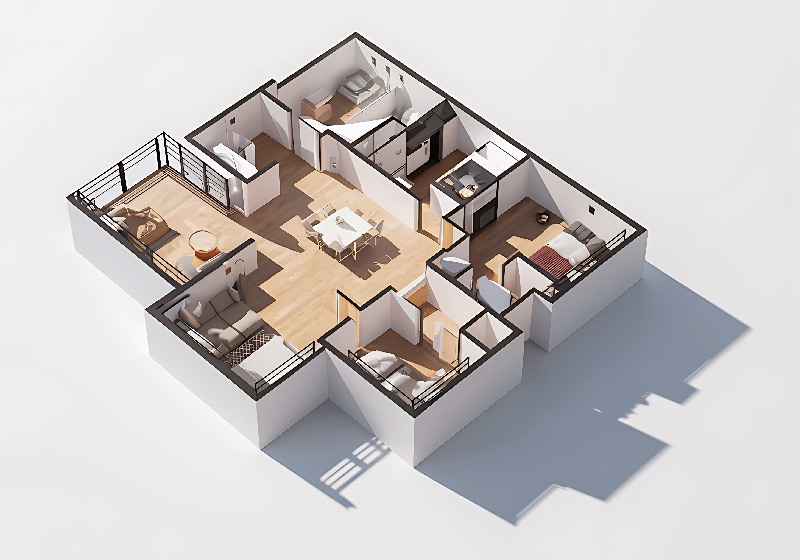
As Bob Dylan once said: the times, they are a-changin.’ For office spaces, this means contending with the demands of remote workers. For warehousing, this means balancing the demands of a growing e-commerce industry with a normalizing retail sector. Factors that ripple out and affect many different facets of life certainly have their own touch on commercial real estate, but in an industry that’s frequently criticized as slow to adapt to the newest technologies, maybe the times are bringing more changes to CRE in 2024 than ever before. Proptech is a catch-all term referring to the cross section of new technologies with residential and commercial real estate. While some tech integrations with the every-day of property management and the buying/selling process have streamlined the commercial real estate industry already, some are looking at the residential proptech seen in smart homes and speculating at the eye-popping changes sure to come soon. Today, let’s review a few of those types of proptech that are creating waves in CRE in 2024! Virtual Tours and 3D Floor PlansIn general, proptech that’s been gaining popularity in CRE are the types that cut down drastically on wasted time, and a few techniques that are great at

Read More »

How Do Election Years Affect CRE?

You may not have noticed, but this is actually an election year. That’s right! Currently, the two major parties are jockeying for political seats all across the United States at the local, state, and federal levels. All jokes aside, especially in our polarized political climate, it can often feel like the presence of an election year touches every industry and every aspect of our daily lives. For those who work in the real estate industry or anything tangential to commercial real estate, you’re certainly aware of the ominous reputation associated with election years. According to prevailing belief, election years wreak havoc on investments–projects can stall as uncertainty muddies the waters until the market finally comes up for air post-election. Though this is the prominent impression, do election years truly have such an outsize impact? Or is this another myth causing hesitation from quality opportunities? Let’s take a look! Political Factors that Impact CRECommercial real estate is, of course, influenced by many policies from the local level all the way to the white house. From tax codes to zoning laws, policies can fluctuate from administration to administration, which certainly affects investment plans. Additionally, one candidate may focus on a particular issue

Read More »

How Much Does a Commercial Property Inspection Cost?

Commercial properties require frequent inspections for many different reasons. From new acquisitions, to lease renewals, to recurring maintenance checks, commercial inspections are a standard part of every business’ annual expenses. From a property inspector’s perspective, these jobs are great due to the more professional, less emotionally charged approach in comparison to residential inspections. Plus, commercial properties offer an opportunity to examine bigger, more complex systems in pretty much every category. Investors and property owners may find themselves wondering just how the costs for commercial inspections are determined. Even if you’re newer to the commercial inspection process, you’ve likely seen firsthand that pricing is rarely just a flat rate and that it differs significantly from residential inspection costs. Just as commercial properties serve a wide variety of purposes and come in all shapes and sizes, commercial inspectors know that they have an equally wide variety of inspection needs. While this might make the cost of a commercial inspection tougher to predict in advance, a commercial inspector who factors in all of the unique qualities of the property in their proposal is more likely to deliver a product worth the cost! So, if you’d like more insight on how pricing is determined

Read More »

Zoning Laws and How to Work with Them

Access to affordable housing has been an ongoing issue all across North America, and communities everywhere have been searching for their own solutions. In New York City, an attempt to address this problem has led to widespread debate and plenty of tension. That attempt? New zoning laws. To be a bit more specific, New York City has a regulation known as the Floor-Area-Ratio cap (or “FAR” cap) which restricts the maximum height of new residential construction within certain areas of the city, like the historic Hell’s Kitchen. We’ve previously discussed how developers have started to convert empty office buildings into apartments in order to add housing opportunities but NYC’s FAR cap might be limiting creative solutions like this. Spectators to this discussion may find themselves wondering if these zoning laws are such a hindrance, why were they put in place originally? And if some zoning laws are only a thorn in the sides of developers, investors, and the average renter, how have they lasted this long? Let’s discuss! What are Zoning Laws?Broadening the discussion for just a second, let’s dive into a few definitions and some background information on zoning laws. To simplify, zoning laws are the rules and restrictions

Read More »

Building Community: How to Plan Events at Multifamily Properties

People have been through a lot in recent years. Between how the pandemic limited social interactions and a general rise in nostalgia, researchers have noticed an unfortunate trend. According to Discovery ABA, a children’s therapy service provider, over 60% of adults in the US report feeling lonely, and for young adults this stat is even more shocking. With a whopping 79% of young people reporting feeling lonely, researchers are now calling Gen Z the loneliest generation. This can certainly sound dire, but there are those who also see this trend as a rising opportunity. People want to be more social, they want interaction with their neighbors, and people want a larger sense of community where they live. Since 45 million households are renters (from data collected by the National Multifamily Housing Council), property managers and multi-family property owners are in a prime position to meet the new need of this generation, and one solution managers are turning to is event planning. Not only does community event planning show that you as a property staff care about your tenants, a happier community leads to a higher retention rate and more tenant referrals (lower vacancies). If you’re interested in planning your first

Read More »

EIFS Stucco Systems: A Cause for Concern?

For every house, condominium, industrial complex, hotel, and convenience store, the number one source of concern is the same: water intrusion. Water has a terrible knack for worming its way indoors, finding or causing even the most miniscule cracks that grow and compromise a building’s integrity. Though it may sound surprising, architects and engineers have spent countless hours over the years designing ways to keep water where it belongs and protect occupants from health hazards like mold. Of all the features of water management that buildings have, none face the same relentless assault as exterior siding. EIFS synthetic stucco is one type of siding that has become increasingly common for commercial properties, but property owners who have investigated this exterior wall system may have encountered some alarming stories. So, what’s the deal? Should property owners with EIFS exterior walls be worried? Should investors looking to expand their portfolios steer clear of properties with EIFS? Let’s discuss! What is EIFS Stucco?EIFS stands for Exterior Insulation and Finish System and refers to a type of exterior siding that gained prominence throughout North America after World War II. Similar to traditional stucco, EIFS is composed of multiple layers and offers similar aesthetic and

Read More »

Zero-Energy Buildings: Designing for a More Sustainable Tomorrow

On June 6, 2024, White House National Climate Advisor Ali Zaidi announced the new definition for “zero-energy buildings” at the American Institute of Architects conference. Although this announcement doesn’t carry new regulations for commercial or residential construction, it does outline a target for new buildings and may reveal which features we can expect to become the new standards in the cities of the future. To get a sneak peek on the impact of this announcement, let’s take a look at what zero-energy buildings are, and how they differ from what we see today. What is a Zero-Energy Building?Zero-energy buildings are, to put it simply, buildings that produce more or an equal amount of energy than they consume throughout the course of the year. According to the Department of Energy, residential and commercial buildings account for 74% of electricity usage in the U.S. With a generation increasingly concerned about their impact on the environment, organizations are committed to fast-tracking solutions for lowering usage and its impact. In the past, the road to true zero-energy was regarded as difficult and expensive, but the Department of Energy (DOE) and the Environmental Protection Agency (EPA) believe that it will become more practical due to

Read More »

The Four D’s of Water Management: Battling The Number One Threat for Every Building

Commercial properties pose a unique challenge for inspectors due to their increased scale and the expanded complexity of many of their internal systems. However, the top concerns for commercial buildings and the everyday family home remains the same: water. Water and moisture have the potential to absolutely wreak havoc on a building’s structural stability, causing wood rot, corrosion, unsightly staining, and even fostering mold growth. While these ever-present dangers are certainly on the minds of property inspectors, builders, and engineers, the “Four D’s” principle has been developed to help ensure safety for tenants. To get a better idea of what property inspectors look for in a well-maintained commercial building, let’s discuss how the “Four D’s” combat rain, snow, and all forms of moisture intrusion. Walls and Roofing Strive to Deflect The first D, and every building’s first defense against water damage refers to its ability to deflect water away from the structure. Roofs and roof overhangs are incredibly important for this process, as is the building’s cladding, a weather-resistant exterior wall layer that is commonly made of metal and provides additional insulation. Common points of water intrusion have been identified over the years, including wall and roof intersections, windows, doors,
Read More »

Proptech in 2024: How Innovative Technologies are Changing CRE

As Bob Dylan once said: the times, they are a-changin.’ For office spaces, this means contending with the demands of remote workers. For warehousing, this means balancing the demands of a growing e-commerce industry with a normalizing retail sector. Factors that ripple out and affect many different facets of life certainly have their own touch on commercial real estate, but in an industry that’s frequently criticized as slow to adapt to the newest technologies, maybe the times are bringing more changes to CRE in 2024 than ever before. Proptech is a catch-all term referring to the cross section of new technologies with residential and commercial real estate. While some tech integrations with the every-day of property management and the buying/selling process have streamlined the commercial real estate industry already, some are looking at the residential proptech seen in smart homes and speculating at the eye-popping changes sure to come soon. Today, let’s review a few of those types of proptech that are creating waves in CRE in 2024! Virtual Tours and 3D Floor PlansIn general, proptech that’s been gaining popularity in CRE are the types that cut down drastically on wasted time, and a few techniques that are great at

Read More »