
The 4 Stages of the Asset Life Cycle (And How Inspections Help With Each Step!)
Today, let’s review exactly what the asset life cycle is, and how property inspections can drive long-term success.

Today, let’s review exactly what the asset life cycle is, and how property inspections can drive long-term success.

Urban downtowns have been seen as the center of city life. Recently, however, this system has been going through some growing pains.

To get ready for RTO mandates, here are a few maintenance tasks and upgrades to implement today.

Answering the call for housing everywhere, 2024 was truly the year of multi-family properties, as over 500,000 new units were completed by the end of December. While 2025 may see a slight step back in completions, 2 million new apartments are arriving on the market by 2028.
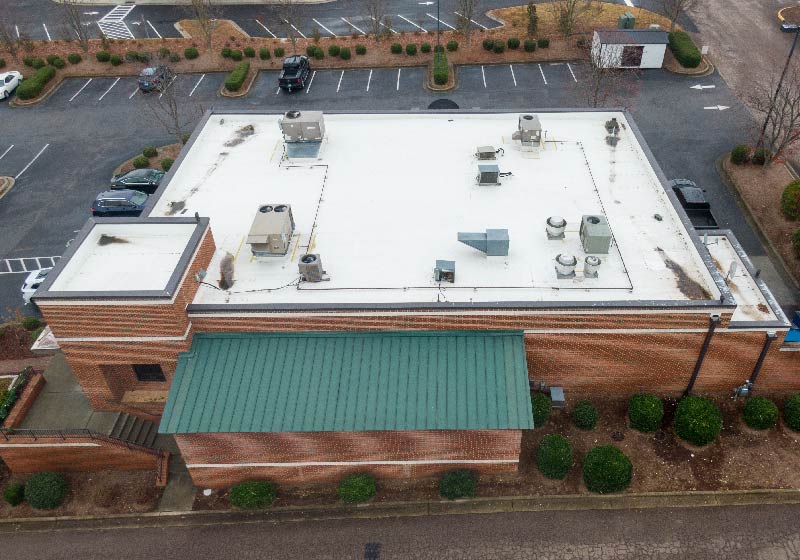
There are a few features common to commercial buildings that are a rarity in the residential sector – features that have their own benefits and their own drawbacks. Today, let’s discuss one of those features that are nearly ubiquitous on commercial properties. That feature? Flat roofs.

Many people do wild things to accommodate their pets at home, but in recent years, office workers have been asking for this leeway to expand into the workplace as well.
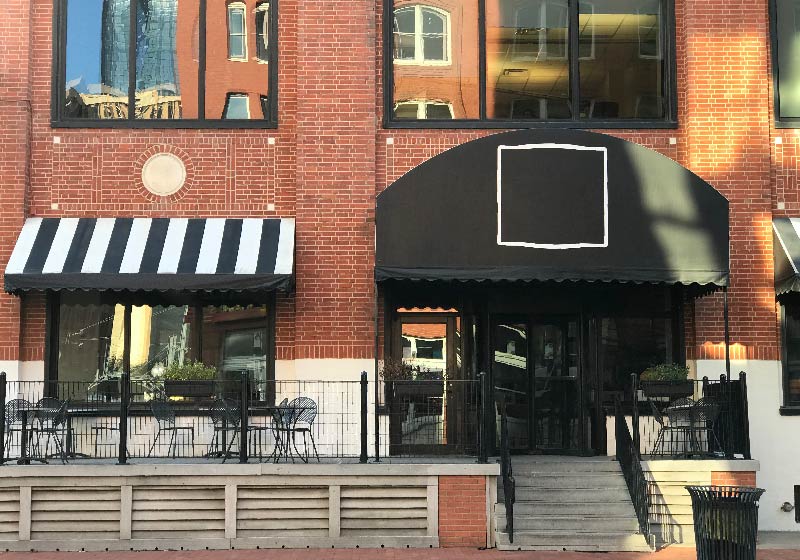
Despite the glut of online-only shoppers, businesses still need a strong, inviting storefront. If your storefront needs a little attention, here are some thoughts on how to start your revamp.

People have been through a lot in recent years. Between how the pandemic limited social interactions and a general rise in nostalgia, researchers have noticed an unfortunate trend. According to Discovery ABA, a children’s therapy service provider, over 60% of adults in the US report feeling lonely, and for young adults this stat is even more shocking. With a whopping 79% of young people reporting feeling lonely, researchers are now calling Gen Z the loneliest generation. This can certainly sound dire, but there are those who also see this trend as a rising opportunity. People want to be more social, they want interaction with their neighbors, and people want a larger sense of community where they live. Since 45 million households are renters (from data collected by the National Multifamily Housing Council), property managers and multi-family property owners are in a prime position to meet the new need of this generation, and one solution managers are turning to is event planning. Not only does community event planning show that you as a property staff care about your tenants, a happier community leads to a higher retention rate and more tenant referrals (lower vacancies). If you’re interested in planning your first
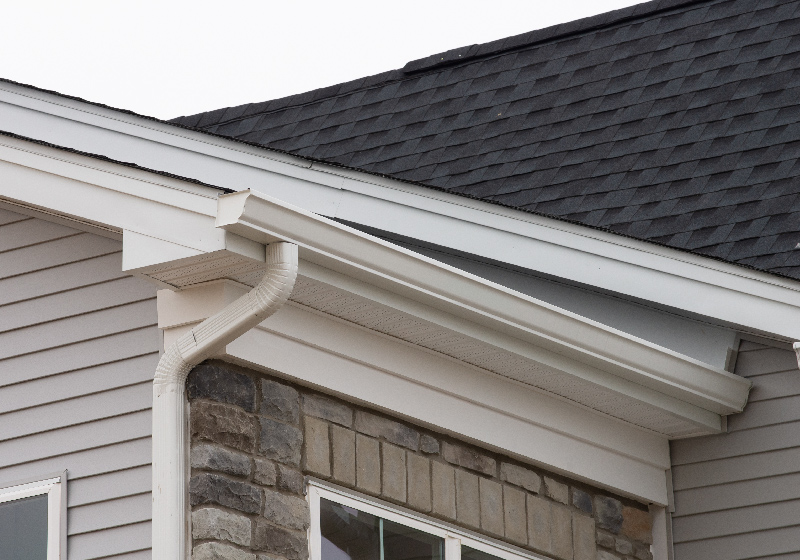
Commercial properties pose a unique challenge for inspectors due to their increased scale and the expanded complexity of many of their internal systems. However, the top concerns for commercial buildings and the everyday family home remains the same: water. Water and moisture have the potential to absolutely wreak havoc on a building’s structural stability, causing wood rot, corrosion, unsightly staining, and even fostering mold growth. While these ever-present dangers are certainly on the minds of property inspectors, builders, and engineers, the “Four D’s” principle has been developed to help ensure safety for tenants. To get a better idea of what property inspectors look for in a well-maintained commercial building, let’s discuss how the “Four D’s” combat rain, snow, and all forms of moisture intrusion. Walls and Roofing Strive to Deflect The first D, and every building’s first defense against water damage refers to its ability to deflect water away from the structure. Roofs and roof overhangs are incredibly important for this process, as is the building’s cladding, a weather-resistant exterior wall layer that is commonly made of metal and provides additional insulation. Common points of water intrusion have been identified over the years, including wall and roof intersections, windows, doors,
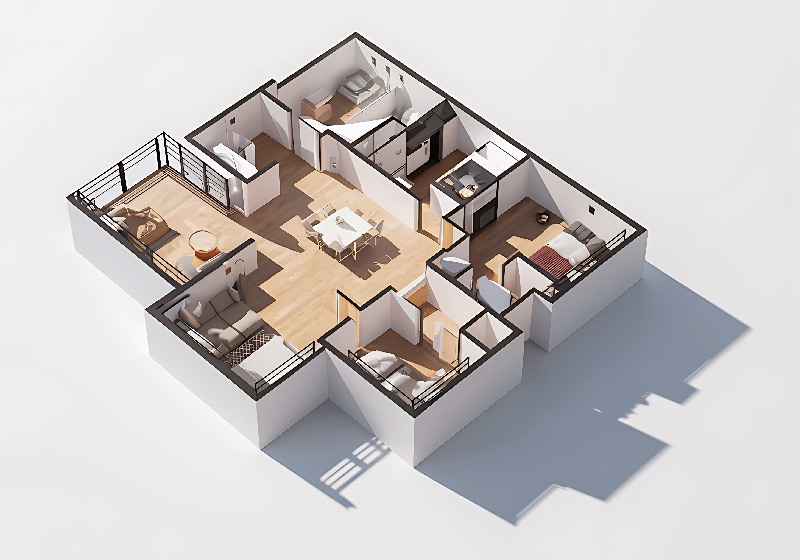
As Bob Dylan once said: the times, they are a-changin.’ For office spaces, this means contending with the demands of remote workers. For warehousing, this means balancing the demands of a growing e-commerce industry with a normalizing retail sector. Factors that ripple out and affect many different facets of life certainly have their own touch on commercial real estate, but in an industry that’s frequently criticized as slow to adapt to the newest technologies, maybe the times are bringing more changes to CRE in 2024 than ever before. Proptech is a catch-all term referring to the cross section of new technologies with residential and commercial real estate. While some tech integrations with the every-day of property management and the buying/selling process have streamlined the commercial real estate industry already, some are looking at the residential proptech seen in smart homes and speculating at the eye-popping changes sure to come soon. Today, let’s review a few of those types of proptech that are creating waves in CRE in 2024! Virtual Tours and 3D Floor PlansIn general, proptech that’s been gaining popularity in CRE are the types that cut down drastically on wasted time, and a few techniques that are great at
Today, let’s review exactly what the asset life cycle is, and how property inspections can drive long-term success.
Urban downtowns have been seen as the center of city life. Recently, however, this system has been going through some growing pains.
To get ready for RTO mandates, here are a few maintenance tasks and upgrades to implement today.
Answering the call for housing everywhere, 2024 was truly the year of multi-family properties, as over 500,000 new units were completed by the end of December. While 2025 may see a slight step back in completions, 2 million new apartments are arriving on the market by 2028.
There are a few features common to commercial buildings that are a rarity in the residential sector – features that have their own benefits and their own drawbacks. Today, let’s discuss one of those features that are nearly ubiquitous on commercial properties. That feature? Flat roofs.
Many people do wild things to accommodate their pets at home, but in recent years, office workers have been asking for this leeway to expand into the workplace as well.
Despite the glut of online-only shoppers, businesses still need a strong, inviting storefront. If your storefront needs a little attention, here are some thoughts on how to start your revamp.
People have been through a lot in recent years. Between how the pandemic limited social interactions and a general rise in nostalgia, researchers have noticed an unfortunate trend. According to Discovery ABA, a children’s therapy service provider, over 60% of adults in the US report feeling lonely, and for young adults this stat is even more shocking. With a whopping 79% of young people reporting feeling lonely, researchers are now calling Gen Z the loneliest generation. This can certainly sound dire, but there are those who also see this trend as a rising opportunity. People want to be more social, they want interaction with their neighbors, and people want a larger sense of community where they live. Since 45 million households are renters (from data collected by the National Multifamily Housing Council), property managers and multi-family property owners are in a prime position to meet the new need of this generation, and one solution managers are turning to is event planning. Not only does community event planning show that you as a property staff care about your tenants, a happier community leads to a higher retention rate and more tenant referrals (lower vacancies). If you’re interested in planning your first
Commercial properties pose a unique challenge for inspectors due to their increased scale and the expanded complexity of many of their internal systems. However, the top concerns for commercial buildings and the everyday family home remains the same: water. Water and moisture have the potential to absolutely wreak havoc on a building’s structural stability, causing wood rot, corrosion, unsightly staining, and even fostering mold growth. While these ever-present dangers are certainly on the minds of property inspectors, builders, and engineers, the “Four D’s” principle has been developed to help ensure safety for tenants. To get a better idea of what property inspectors look for in a well-maintained commercial building, let’s discuss how the “Four D’s” combat rain, snow, and all forms of moisture intrusion. Walls and Roofing Strive to Deflect The first D, and every building’s first defense against water damage refers to its ability to deflect water away from the structure. Roofs and roof overhangs are incredibly important for this process, as is the building’s cladding, a weather-resistant exterior wall layer that is commonly made of metal and provides additional insulation. Common points of water intrusion have been identified over the years, including wall and roof intersections, windows, doors,
As Bob Dylan once said: the times, they are a-changin.’ For office spaces, this means contending with the demands of remote workers. For warehousing, this means balancing the demands of a growing e-commerce industry with a normalizing retail sector. Factors that ripple out and affect many different facets of life certainly have their own touch on commercial real estate, but in an industry that’s frequently criticized as slow to adapt to the newest technologies, maybe the times are bringing more changes to CRE in 2024 than ever before. Proptech is a catch-all term referring to the cross section of new technologies with residential and commercial real estate. While some tech integrations with the every-day of property management and the buying/selling process have streamlined the commercial real estate industry already, some are looking at the residential proptech seen in smart homes and speculating at the eye-popping changes sure to come soon. Today, let’s review a few of those types of proptech that are creating waves in CRE in 2024! Virtual Tours and 3D Floor PlansIn general, proptech that’s been gaining popularity in CRE are the types that cut down drastically on wasted time, and a few techniques that are great at