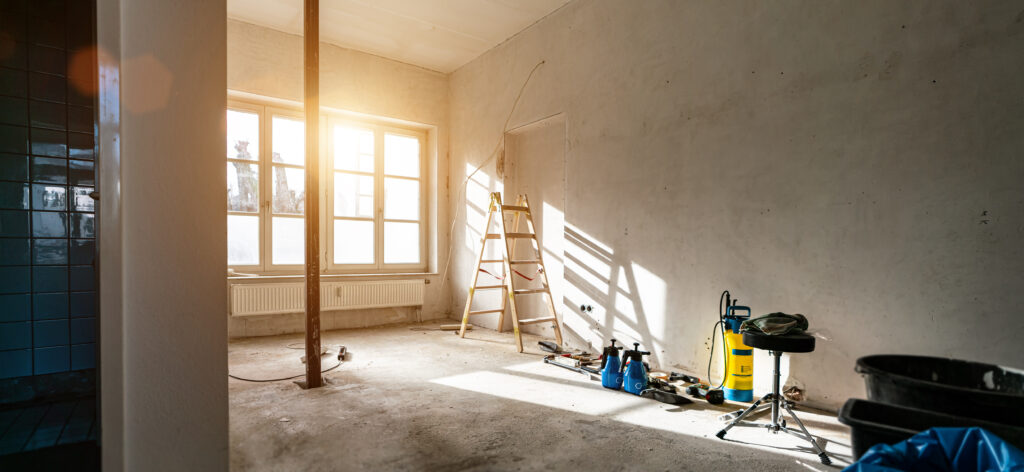
The 4 Stages of the Asset Life Cycle (And How Inspections Help With Each Step!)
Today, let’s review exactly what the asset life cycle is, and how property inspections can drive long-term success.

Today, let’s review exactly what the asset life cycle is, and how property inspections can drive long-term success.

Thermal imaging is being used more in commercial inspections, so let’s discuss how to use it to your benefit!

To get ready for RTO mandates, here are a few maintenance tasks and upgrades to implement today.
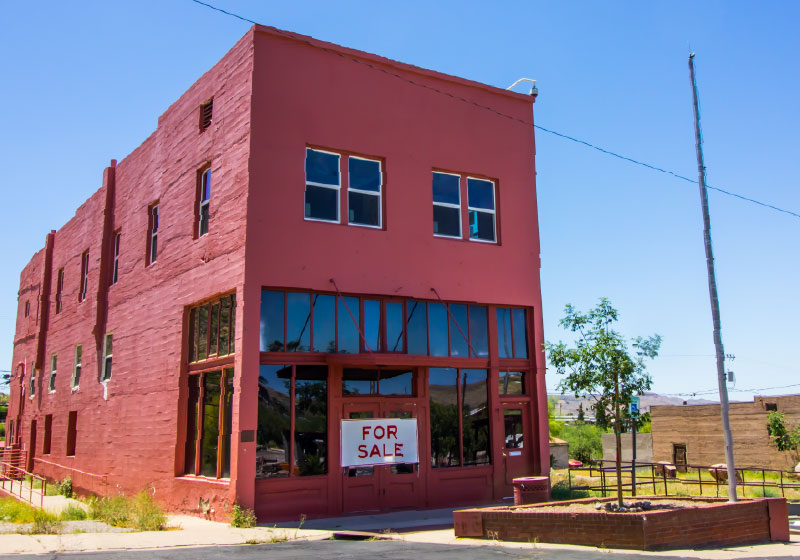
While sometimes regarded as risky, distressed properties can also be a very lucrative and fulfilling investment option. Let’s discuss from a bird’s eye view how you can feel more comfortable buying and flipping properties that might need extra TLC.

Answering the call for housing everywhere, 2024 was truly the year of multi-family properties, as over 500,000 new units were completed by the end of December. While 2025 may see a slight step back in completions, 2 million new apartments are arriving on the market by 2028.

Walgreens made news this year when it announced its plans to close 1,200 locations over the next three years (per CNN), an exclamation point on the ongoing struggles of the retail drugstore industry…This begs the question: is the modern drugstore still relevant?
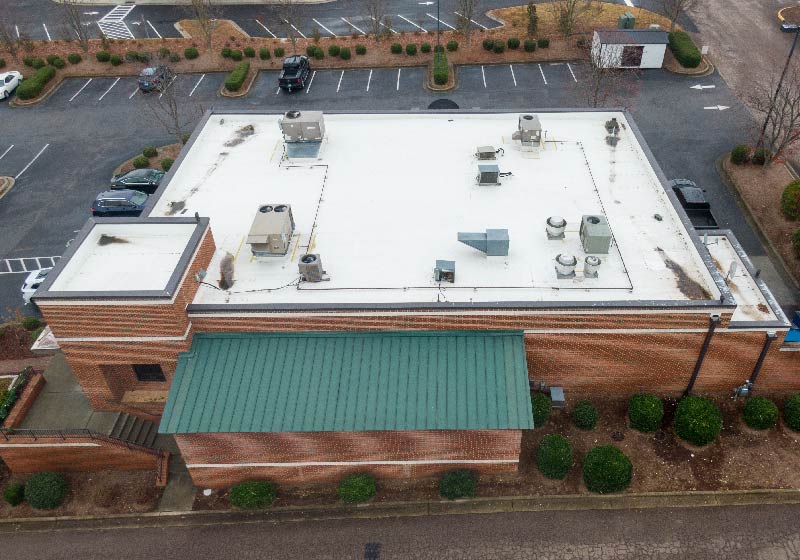
There are a few features common to commercial buildings that are a rarity in the residential sector – features that have their own benefits and their own drawbacks. Today, let’s discuss one of those features that are nearly ubiquitous on commercial properties. That feature? Flat roofs.
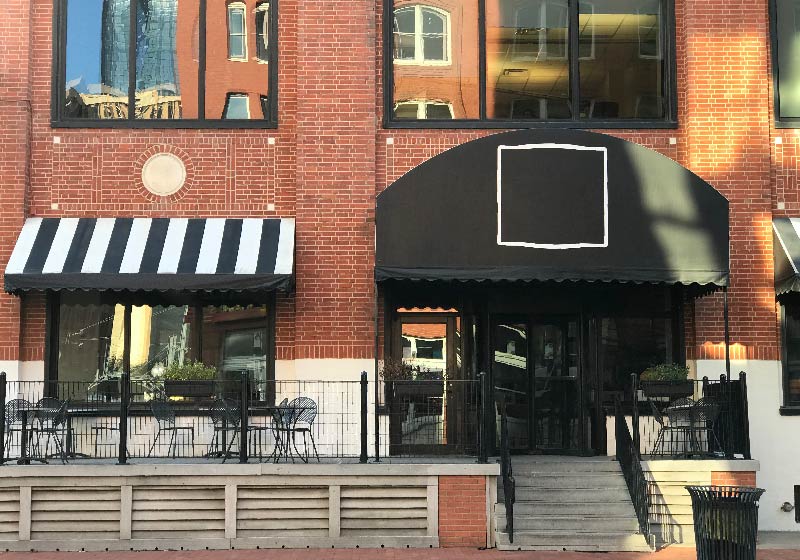
Despite the glut of online-only shoppers, businesses still need a strong, inviting storefront. If your storefront needs a little attention, here are some thoughts on how to start your revamp.

Commercial properties require frequent inspections for many different reasons. From new acquisitions, to lease renewals, to recurring maintenance checks, commercial inspections are a standard part of every business’ annual expenses. From a property inspector’s perspective, these jobs are great due to the more professional, less emotionally charged approach in comparison to residential inspections. Plus, commercial properties offer an opportunity to examine bigger, more complex systems in pretty much every category. Investors and property owners may find themselves wondering just how the costs for commercial inspections are determined. Even if you’re newer to the commercial inspection process, you’ve likely seen firsthand that pricing is rarely just a flat rate and that it differs significantly from residential inspection costs. Just as commercial properties serve a wide variety of purposes and come in all shapes and sizes, commercial inspectors know that they have an equally wide variety of inspection needs. While this might make the cost of a commercial inspection tougher to predict in advance, a commercial inspector who factors in all of the unique qualities of the property in their proposal is more likely to deliver a product worth the cost! So, if you’d like more insight on how pricing is determined

For every house, condominium, industrial complex, hotel, and convenience store, the number one source of concern is the same: water intrusion. Water has a terrible knack for worming its way indoors, finding or causing even the most miniscule cracks that grow and compromise a building’s integrity. Though it may sound surprising, architects and engineers have spent countless hours over the years designing ways to keep water where it belongs and protect occupants from health hazards like mold. Of all the features of water management that buildings have, none face the same relentless assault as exterior siding. EIFS synthetic stucco is one type of siding that has become increasingly common for commercial properties, but property owners who have investigated this exterior wall system may have encountered some alarming stories. So, what’s the deal? Should property owners with EIFS exterior walls be worried? Should investors looking to expand their portfolios steer clear of properties with EIFS? Let’s discuss! What is EIFS Stucco?EIFS stands for Exterior Insulation and Finish System and refers to a type of exterior siding that gained prominence throughout North America after World War II. Similar to traditional stucco, EIFS is composed of multiple layers and offers similar aesthetic and
Today, let’s review exactly what the asset life cycle is, and how property inspections can drive long-term success.
Thermal imaging is being used more in commercial inspections, so let’s discuss how to use it to your benefit!
To get ready for RTO mandates, here are a few maintenance tasks and upgrades to implement today.
While sometimes regarded as risky, distressed properties can also be a very lucrative and fulfilling investment option. Let’s discuss from a bird’s eye view how you can feel more comfortable buying and flipping properties that might need extra TLC.
Answering the call for housing everywhere, 2024 was truly the year of multi-family properties, as over 500,000 new units were completed by the end of December. While 2025 may see a slight step back in completions, 2 million new apartments are arriving on the market by 2028.
Walgreens made news this year when it announced its plans to close 1,200 locations over the next three years (per CNN), an exclamation point on the ongoing struggles of the retail drugstore industry…This begs the question: is the modern drugstore still relevant?
There are a few features common to commercial buildings that are a rarity in the residential sector – features that have their own benefits and their own drawbacks. Today, let’s discuss one of those features that are nearly ubiquitous on commercial properties. That feature? Flat roofs.
Despite the glut of online-only shoppers, businesses still need a strong, inviting storefront. If your storefront needs a little attention, here are some thoughts on how to start your revamp.
Commercial properties require frequent inspections for many different reasons. From new acquisitions, to lease renewals, to recurring maintenance checks, commercial inspections are a standard part of every business’ annual expenses. From a property inspector’s perspective, these jobs are great due to the more professional, less emotionally charged approach in comparison to residential inspections. Plus, commercial properties offer an opportunity to examine bigger, more complex systems in pretty much every category. Investors and property owners may find themselves wondering just how the costs for commercial inspections are determined. Even if you’re newer to the commercial inspection process, you’ve likely seen firsthand that pricing is rarely just a flat rate and that it differs significantly from residential inspection costs. Just as commercial properties serve a wide variety of purposes and come in all shapes and sizes, commercial inspectors know that they have an equally wide variety of inspection needs. While this might make the cost of a commercial inspection tougher to predict in advance, a commercial inspector who factors in all of the unique qualities of the property in their proposal is more likely to deliver a product worth the cost! So, if you’d like more insight on how pricing is determined
For every house, condominium, industrial complex, hotel, and convenience store, the number one source of concern is the same: water intrusion. Water has a terrible knack for worming its way indoors, finding or causing even the most miniscule cracks that grow and compromise a building’s integrity. Though it may sound surprising, architects and engineers have spent countless hours over the years designing ways to keep water where it belongs and protect occupants from health hazards like mold. Of all the features of water management that buildings have, none face the same relentless assault as exterior siding. EIFS synthetic stucco is one type of siding that has become increasingly common for commercial properties, but property owners who have investigated this exterior wall system may have encountered some alarming stories. So, what’s the deal? Should property owners with EIFS exterior walls be worried? Should investors looking to expand their portfolios steer clear of properties with EIFS? Let’s discuss! What is EIFS Stucco?EIFS stands for Exterior Insulation and Finish System and refers to a type of exterior siding that gained prominence throughout North America after World War II. Similar to traditional stucco, EIFS is composed of multiple layers and offers similar aesthetic and