
Category: Maintenance

Commercial Thermography Inspections: An Underutilized Cost-Saving Strategy

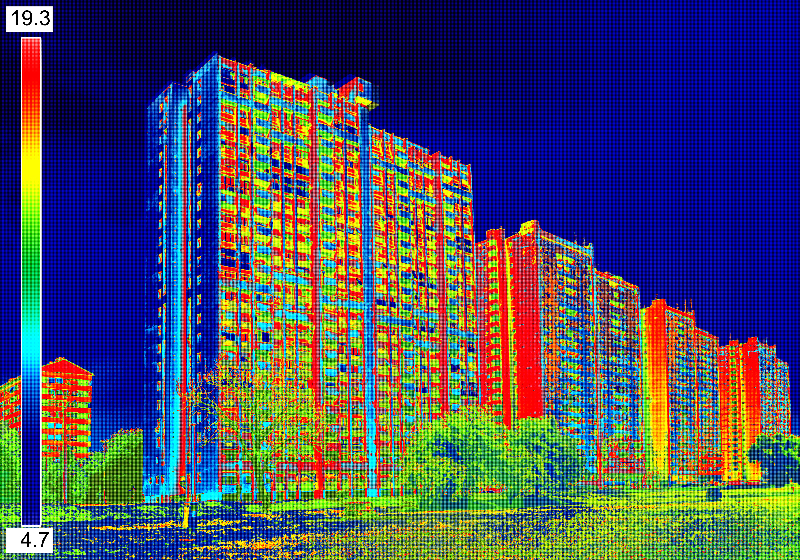
Homeowners know very well how much their energy bills can hurt the wallet throughout the year. For commercial property owners, those energy bills are considerably more punishing. While homeowners can search for ways to cut down on spending, such as adding insulation to their attics, or resealing their windows, commercial property owners too often see energy as a standard cost of operation without much room for adjustment. Of course, with a much larger space to examine, commercial properties can be much more intimidating to survey and that much more difficult to identify areas for improvement. According to Constellation, a leading commercial power supplier in the United States, 40% of the total energy consumption for office buildings comes from heating and cooling alone. Depending on the industry and size of the building, this percentage can be even higher. Commercial property owners are, unfortunately, mostly missing out on these savings that are more accessible for homeowners due to sheer size. To combat this issue, the best answer for property owners is to get a thermographic inspection. What is Thermography? Thermography is a type of scan conducted by property inspectors to find thermal anomalies and air leaks within a building. “Thermographers” use one


Read More »

Save On Taxes With Cost Segregation

In the world of commercial real estate, any opportunity to save money can be retooled back into properties to improve amenities, elevate tenant experience, or even invest in new ventures. Cost segregation is a tax-saving method that is not taken advantage of as often as it should. In partnership with Scarpello Consulting, National Property Inspections is now offering cost segregation services to preferred commercial property clients. Cost segregation can seem like a complex topic to those unfamiliar with the concept, but it is more straightforward than the name might suggest. To discover whether you may qualify for cost segregation, let’s take the time to discuss what it is and how it works. What Is Cost Segregation? Cost segregation is a tax savings tool used to reduce the income tax liabilities of property owners by accelerating depreciation deductions. A cost segregation study is conducted to evaluate a qualifying property and track its components on a shortened scale, usually after 5, 7, or 15 years rather than the traditional 27.5 or 39 year period. This allows owners to write-off components much earlier than usual, saving considerably on property taxes. While there is an initial cost with a cost segregation study, the tax

Read More »

What is ESG? (And Why Does It Matter?)

Commercial Real Estate is a varied field where people of many different backgrounds converge. New ideas and strategies are actively traded as everyone is looking for the best way to get a strong return on investment. While looking to accomplish these lofty goals, you may have run into an unfamiliar term: ESG. Many CRE investors have prioritized ESG while developing their portfolio and are starting conversations on blogs and on podcasts citing its importance. To get you caught up to speed, here is an overview of ESG, why it has become a topic of discussion, and how it might change how you operate within CRE. What is ESG?To keep it short: ESG is an acronym that stands for Environment, Social, and Governance. It is a type of unstandardized philosophy by which commercial real estate investors (and investors, in general) filter their investment pursuits, with special care for these three “pillars.” One might also consider it a moral standard that an investor chooses to adhere to. The term “ESG” was first referenced in 2004, through the United Nations’ “Who Cares Wins” report. Here, the term is used much as it is used today, as a recommendation on how to build sustainable

Read More »

How To Be Proactive With Property Maintenance

There are many things to worry about when managing a successful commercial real estate property. You have to find great tenants that will improve your property’s overall draw, while also figuring out how to retain those high-value tenants through updated amenities or through competitive rental prices. It is understandable that some things can fall to the wayside. Oftentimes, the thing that gets shorted is maintenance. Keeping your property clean and functional is, of course, vital to successful business, but too often, property managers and owners only resort to significant moves after it is too late. Something critical breaks down, or even an injury to a tenant are sometimes the only thing that prompts owners to make meaningful changes. Investing into a solid maintenance plan foregoes these disastrous scenarios, and the best type of maintenance plan, is one that is proactive. What is Proactive Maintenance?Proactive Maintenance Plans are strategies that property managers and owners employ to avert costly maintenance issues before things deteriorate beyond salvageability. The opposite of this strategy would be a Reactive Maintenance Plan, or maintenance techniques that only prompt action after a feature of a commercial property becomes unusable, requiring either major repairs or complete replacement. With proactive

Read More »

What It Means to Inspect: Differing Views for Different Industries

In the inspection industry, we work in close relation with those in the insurance industry, property management companies, real estate agents, and of course, property owners. Although these trades may align in some areas, a point where they all differ is in the definition of what it means to have an inspection performed. While you might assume that the definition of a property inspection would bear the same weight across the board, you may be surprised at the fact that it actually doesn’t. For clarification’s sake, we’re going to examine the idea of what inspections mean for different industries and how our scope of work may change depending on the needs of our unique client types. Inspection Basics The definition of what an inspection entails for an inspector is very different from what the average consumer, property management company, or insurance agents would assume. According to the International Association of Certified Home Inspectors (InterNACHI), the definition of inspection is: “To examine readily accessible systems and components safely, using normal operating controls, and accessing readily accessible areas, in accordance with the Standards of Practice.” This basically means that everything that one can see or operate within reason are fair game for

Read More »

Caring for the Paint of Your Commercial Property

Whether you’re leasing, selling, or renting a commercial property, it’s essential to know proper upkeep techniques for the paint on both your interior and exterior walls. The painting of your property is not just important to the aesthetics of your commercial space, but for the overall improvement of the physical condition of your business front. While curb appeal is an important selling point, interior walls are just as significant. While the underlying reasons to care for the paint on the inside and outside of your development are parallel, the process of doing so differs vastly in technique. This is due to the difference of daily environmental hazards each surface faces. However, for both indoor and outdoor spaces the process of house washing is a must. House washing is a term that refers to the maintenance of the painted structures of your home and commercial properties. This technique can be implemented on various materials and paint types. House washing protects the outer barrier of buildings from attracting unwanted erosion, rust, and debris. On inside surfaces, house washing acts as a protectant of high gloss paints, preserving the integrity of the wood while upholding the overall appearance of the paint. Although inside,

Read More »

How to Prevent Bed Bugs & What To Do If You Ever Have an Infestation

This week is Bed Bug Awareness Week. Although bed bugs are tough to rid your property of, there are many effective treatment options available. It is important to know the warning signs of an infestation, as it can be more than a minor annoyance. An infestation can actually negatively affect your health by taking over your property and anything stored within it. Whether you’re a commercial building manager or owner, it is essential to recognize the signs of an outbreak on your property. CausesBed bug outbreaks can be caused by an assortment of factors. While it has always been thought that bed bug outbreaks only happen in dirty environments, this is actually a myth. Issues with bed bugs can appear in even the cleanest spaces. Bed bug infestations typically occur as the result of buying used household items and furniture, after traveling to densely populated areas, following vacations aboard cruise ships, and after staying in already-infested hotels. Transportation is the common theme for all the main causes of bed bug infestations. Bed bugs are notorious for their ability to “hitchhike” from one area to the next, making them easy to take with you to your commercial property and home. According

Read More »

Terms & Conditions: Things You’ll Want to Include in Your Commercial Leasing Agreement

As a commercial property tenant, there’s a lot to remember going into a new leasing agreement. While the process can be long and at times tedious, it’s important to understand everything within the agreement to ensure there are no gray areas that could cause issues further down the line. The last thing you’ll want to encounter are disagreements leading to lawsuits based on who is responsible for what. Therefore, it’s necessary to clearly outline all areas of the leasing agreement. Today, we’ll highlight the topics of repairs and maintenance, rent due dates and additional fees, and policies regarding breaking the lease, as these are the most important parts of the lease agreement. Repairs & Maintenance In your commercial lease agreement, one of the most important items to clearly define are the expectations for repairs and maintenance of the property. The owner of the commercial property should inform on a preferred method of contact for repair requests and for emergent needs of the property. Furthermore, it should be outlined as to what kind of repairs are considered emergent opposed to ones that can wait until the next business day. The lease should also state what kind of repairs fall under normal

Read More »

How to Manage an Acquired Property Following the Loss of a Loved One

Following the loss of a loved one, there are many affairs to attend to. After funeral arrangements have been made and the service has been held, you may find yourself in possession of your loved one’s items. In some cases, you may even find yourself as the owner of a new residential home. Most individuals in this position may already have an established residence, so coming into possession of an additional property may give way to questions about what to do with the acquired home. Here’s a collection of information to aid in resolving some of these questions during this challenging time. Leasing the Property One of the options you may want to consider is leasing the additional property. While leasing a property comes with its fair share of responsibilities, it can be worth your while at the end of the day. This option is common in these circumstances, as it allows for the opportunity to keep the property within the family. Leasing also creates additional streams of income, helping pay for any taxes the home may acquire and allowing you to set up a rainy-day fund for your family. If you don’t like the idea of being directly responsible

Read More »

Commercial Thermography Inspections: An Underutilized Cost-Saving Strategy

Homeowners know very well how much their energy bills can hurt the wallet throughout the year. For commercial property owners, those energy bills are considerably more punishing. While homeowners can search for ways to cut down on spending, such as adding insulation to their attics, or resealing their windows, commercial property owners too often see energy as a standard cost of operation without much room for adjustment. Of course, with a much larger space to examine, commercial properties can be much more intimidating to survey and that much more difficult to identify areas for improvement. According to Constellation, a leading commercial power supplier in the United States, 40% of the total energy consumption for office buildings comes from heating and cooling alone. Depending on the industry and size of the building, this percentage can be even higher. Commercial property owners are, unfortunately, mostly missing out on these savings that are more accessible for homeowners due to sheer size. To combat this issue, the best answer for property owners is to get a thermographic inspection. What is Thermography? Thermography is a type of scan conducted by property inspectors to find thermal anomalies and air leaks within a building. “Thermographers” use one

Read More »

Save On Taxes With Cost Segregation

In the world of commercial real estate, any opportunity to save money can be retooled back into properties to improve amenities, elevate tenant experience, or even invest in new ventures. Cost segregation is a tax-saving method that is not taken advantage of as often as it should. In partnership with Scarpello Consulting, National Property Inspections is now offering cost segregation services to preferred commercial property clients. Cost segregation can seem like a complex topic to those unfamiliar with the concept, but it is more straightforward than the name might suggest. To discover whether you may qualify for cost segregation, let’s take the time to discuss what it is and how it works. What Is Cost Segregation? Cost segregation is a tax savings tool used to reduce the income tax liabilities of property owners by accelerating depreciation deductions. A cost segregation study is conducted to evaluate a qualifying property and track its components on a shortened scale, usually after 5, 7, or 15 years rather than the traditional 27.5 or 39 year period. This allows owners to write-off components much earlier than usual, saving considerably on property taxes. While there is an initial cost with a cost segregation study, the tax

Read More »

What is ESG? (And Why Does It Matter?)

Commercial Real Estate is a varied field where people of many different backgrounds converge. New ideas and strategies are actively traded as everyone is looking for the best way to get a strong return on investment. While looking to accomplish these lofty goals, you may have run into an unfamiliar term: ESG. Many CRE investors have prioritized ESG while developing their portfolio and are starting conversations on blogs and on podcasts citing its importance. To get you caught up to speed, here is an overview of ESG, why it has become a topic of discussion, and how it might change how you operate within CRE. What is ESG?To keep it short: ESG is an acronym that stands for Environment, Social, and Governance. It is a type of unstandardized philosophy by which commercial real estate investors (and investors, in general) filter their investment pursuits, with special care for these three “pillars.” One might also consider it a moral standard that an investor chooses to adhere to. The term “ESG” was first referenced in 2004, through the United Nations’ “Who Cares Wins” report. Here, the term is used much as it is used today, as a recommendation on how to build sustainable

Read More »

How To Be Proactive With Property Maintenance

There are many things to worry about when managing a successful commercial real estate property. You have to find great tenants that will improve your property’s overall draw, while also figuring out how to retain those high-value tenants through updated amenities or through competitive rental prices. It is understandable that some things can fall to the wayside. Oftentimes, the thing that gets shorted is maintenance. Keeping your property clean and functional is, of course, vital to successful business, but too often, property managers and owners only resort to significant moves after it is too late. Something critical breaks down, or even an injury to a tenant are sometimes the only thing that prompts owners to make meaningful changes. Investing into a solid maintenance plan foregoes these disastrous scenarios, and the best type of maintenance plan, is one that is proactive. What is Proactive Maintenance?Proactive Maintenance Plans are strategies that property managers and owners employ to avert costly maintenance issues before things deteriorate beyond salvageability. The opposite of this strategy would be a Reactive Maintenance Plan, or maintenance techniques that only prompt action after a feature of a commercial property becomes unusable, requiring either major repairs or complete replacement. With proactive

Read More »

What It Means to Inspect: Differing Views for Different Industries

In the inspection industry, we work in close relation with those in the insurance industry, property management companies, real estate agents, and of course, property owners. Although these trades may align in some areas, a point where they all differ is in the definition of what it means to have an inspection performed. While you might assume that the definition of a property inspection would bear the same weight across the board, you may be surprised at the fact that it actually doesn’t. For clarification’s sake, we’re going to examine the idea of what inspections mean for different industries and how our scope of work may change depending on the needs of our unique client types. Inspection Basics The definition of what an inspection entails for an inspector is very different from what the average consumer, property management company, or insurance agents would assume. According to the International Association of Certified Home Inspectors (InterNACHI), the definition of inspection is: “To examine readily accessible systems and components safely, using normal operating controls, and accessing readily accessible areas, in accordance with the Standards of Practice.” This basically means that everything that one can see or operate within reason are fair game for

Read More »

Caring for the Paint of Your Commercial Property

Whether you’re leasing, selling, or renting a commercial property, it’s essential to know proper upkeep techniques for the paint on both your interior and exterior walls. The painting of your property is not just important to the aesthetics of your commercial space, but for the overall improvement of the physical condition of your business front. While curb appeal is an important selling point, interior walls are just as significant. While the underlying reasons to care for the paint on the inside and outside of your development are parallel, the process of doing so differs vastly in technique. This is due to the difference of daily environmental hazards each surface faces. However, for both indoor and outdoor spaces the process of house washing is a must. House washing is a term that refers to the maintenance of the painted structures of your home and commercial properties. This technique can be implemented on various materials and paint types. House washing protects the outer barrier of buildings from attracting unwanted erosion, rust, and debris. On inside surfaces, house washing acts as a protectant of high gloss paints, preserving the integrity of the wood while upholding the overall appearance of the paint. Although inside,

Read More »

How to Prevent Bed Bugs & What To Do If You Ever Have an Infestation

This week is Bed Bug Awareness Week. Although bed bugs are tough to rid your property of, there are many effective treatment options available. It is important to know the warning signs of an infestation, as it can be more than a minor annoyance. An infestation can actually negatively affect your health by taking over your property and anything stored within it. Whether you’re a commercial building manager or owner, it is essential to recognize the signs of an outbreak on your property. CausesBed bug outbreaks can be caused by an assortment of factors. While it has always been thought that bed bug outbreaks only happen in dirty environments, this is actually a myth. Issues with bed bugs can appear in even the cleanest spaces. Bed bug infestations typically occur as the result of buying used household items and furniture, after traveling to densely populated areas, following vacations aboard cruise ships, and after staying in already-infested hotels. Transportation is the common theme for all the main causes of bed bug infestations. Bed bugs are notorious for their ability to “hitchhike” from one area to the next, making them easy to take with you to your commercial property and home. According

Read More »

Terms & Conditions: Things You’ll Want to Include in Your Commercial Leasing Agreement

As a commercial property tenant, there’s a lot to remember going into a new leasing agreement. While the process can be long and at times tedious, it’s important to understand everything within the agreement to ensure there are no gray areas that could cause issues further down the line. The last thing you’ll want to encounter are disagreements leading to lawsuits based on who is responsible for what. Therefore, it’s necessary to clearly outline all areas of the leasing agreement. Today, we’ll highlight the topics of repairs and maintenance, rent due dates and additional fees, and policies regarding breaking the lease, as these are the most important parts of the lease agreement. Repairs & Maintenance In your commercial lease agreement, one of the most important items to clearly define are the expectations for repairs and maintenance of the property. The owner of the commercial property should inform on a preferred method of contact for repair requests and for emergent needs of the property. Furthermore, it should be outlined as to what kind of repairs are considered emergent opposed to ones that can wait until the next business day. The lease should also state what kind of repairs fall under normal

Read More »

How to Manage an Acquired Property Following the Loss of a Loved One

Following the loss of a loved one, there are many affairs to attend to. After funeral arrangements have been made and the service has been held, you may find yourself in possession of your loved one’s items. In some cases, you may even find yourself as the owner of a new residential home. Most individuals in this position may already have an established residence, so coming into possession of an additional property may give way to questions about what to do with the acquired home. Here’s a collection of information to aid in resolving some of these questions during this challenging time. Leasing the Property One of the options you may want to consider is leasing the additional property. While leasing a property comes with its fair share of responsibilities, it can be worth your while at the end of the day. This option is common in these circumstances, as it allows for the opportunity to keep the property within the family. Leasing also creates additional streams of income, helping pay for any taxes the home may acquire and allowing you to set up a rainy-day fund for your family. If you don’t like the idea of being directly responsible

Read More »