
As popular as e-commerce has become, it’s only expected to keep dominating the market. This has made the industrial sector one of the most lucrative for investors. But online shopping hasn’t come without some growing pains. One major pain point is growing distributor storage needs.
What are ISFs
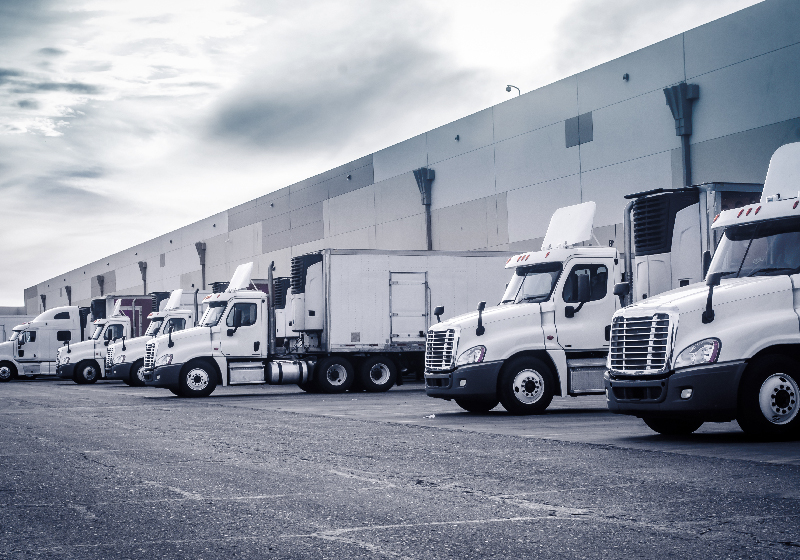
Industrial service facilities or ISFs are crucial to the supply chain process. ISFs are mainly owned by transportation companies for the purpose of optimizing the last mile of delivery. Everything from large trucking chains to local delivery businesses need storage space. These facilities are used to house, maintain, and distribute vehicles and equipment. They’re also used as collection points for extra vehicle parts and drop points for trailers. ISFs are usually located next to rail yards or highways in metropolitan areas. All this makes it easier to distribute materials and get consumers what they need on time.
The Need for More Space
E-commerce experienced approximately 40 percent growth between 2019 and 2020, reaching nearly $210 billion in sales. It’s estimated by 2025 that number could double to over $560 billion. The problem arises out of the fact that only about 3 percent of industrial service facilities have vacancies. For every billion dollars in sales, 1 million square feet of warehouse space is needed. As we’ve seen from the recent logistical constraints, that number may need to be even higher. Along with expanding current builds, new ones will most definitely be required in the same locations.
Challenges Facing ISFs
As much need as there is for industrial service facilities, they don’t have a green light everywhere. While most facilities are built away from densely populated areas, less available land has made some move closer to residential areas. ISFs aren’t the most appealing thing to have in your backyard, and homeowners have raised concerns. They can also be especially noisy with heavy trucks and equipment being moved, adding to the disdain many have towards ISFs.
The Attraction for Investors
While builders negotiate with homeowners and zoning laws, investors are optimistic ISFs are the next big thing. In Chicago and San Francisco, investment groups Industrial Outdoor Ventures and Stockbridge are planning on making annual acquisitions between $100 and $200 million. Another Illinois based acquisition group, Timber Hill Group is seeing the opportunity of renovating abandoned commercial spaces into ISFs. For many investors, the payoff is in playing the long game. The long tenant retention rates make ISFs a stable, accumulative buy.
ISFs: Diamonds in the Rough
Though ISFs themselves may not look attractive, they definitely have hidden qualities. Long- term tenants make for less turnover and vacancies to keep rental income steady. As builders work with locals to expand buildable land, they won’t be limited to certain spots. The continued growth of e-commerce is going to further drive the need for ISFs. Especially in metro areas with lots of consumers, industrial service facilities are going to be even more necessary. For investors, ISFs are lower-risk, high-reward investments that’ll pay for themselves in time.
With offices in the U.S. and Canada, NPI has local licensed inspectors available to assist you with your commercial property needs. To find an inspector near you, call our National Accounts Department at 1-800-333-9807 ext. 30. For more information, visit www.npicommercial.com/contact.